Article
Expanding Horizons without Leaving the Ground: Job Shadowing at the GE Aerospace Türkiye Technology Center
May 25, 2026 | by GE Aerospace Staff
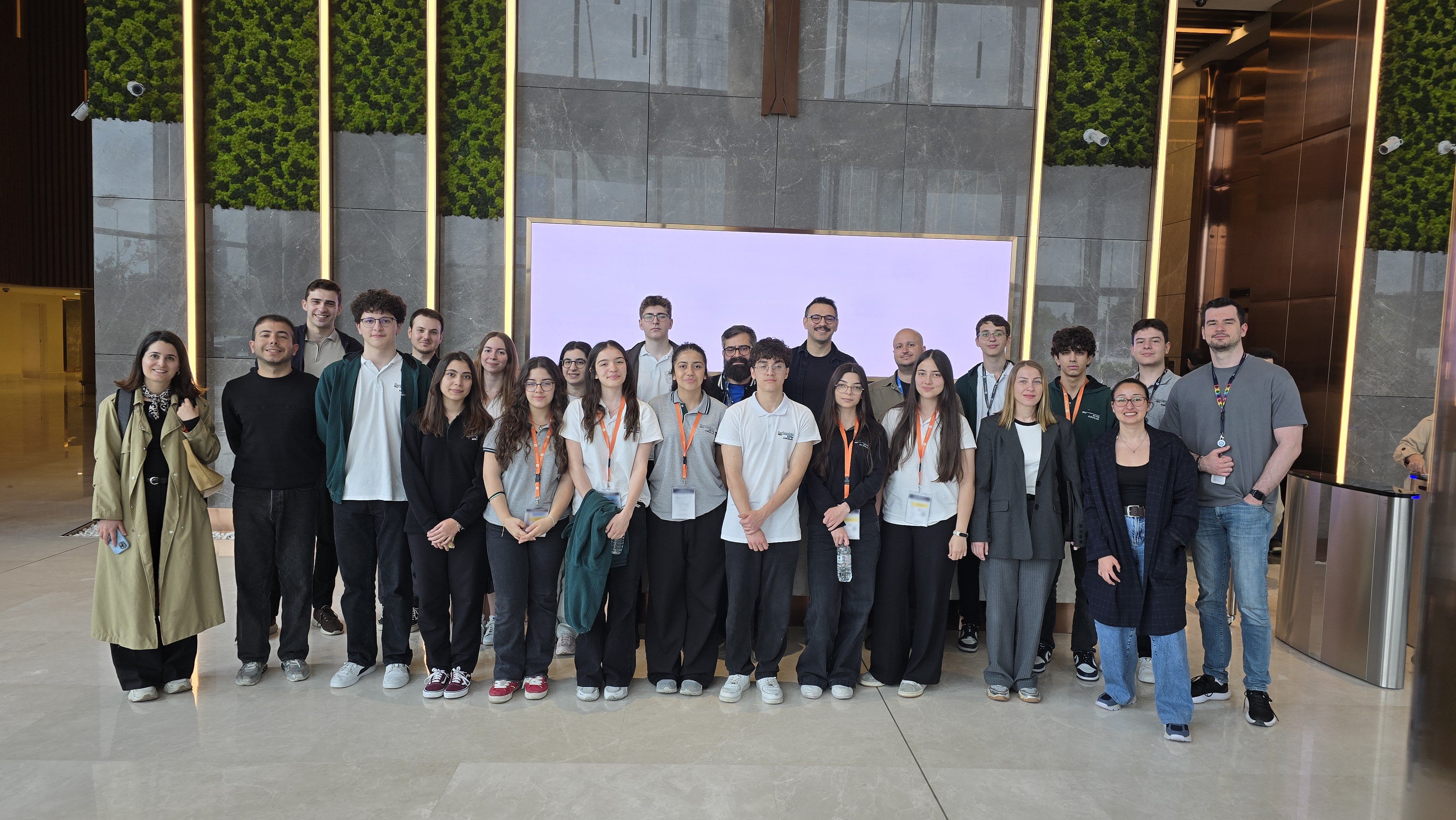
- 30 high school students from the Darüşşafaka School in İstanbul participated in the annual job shadowing program.
- The program was organized by the GE Aerospace Women’s Network at the Türkiye Technology Center to help students explore careers in STEM (science, technology, engineering, and math), aviation and engineering.
- The Women’s Network also supports other student and community initiatives, including hackathons, Kids Are Coding, Dress for Success, Youth Pathway to Science, and university mentorships.
“I’ve never met a female engineer in real life before.”
That’s what a high school student at the Darüşşafaka High School in İstanbul told Pelin Şenol, a lead design engineer at the GE Aerospace Türkiye Technology Center (TTC) in Kartal, İstanbul.
The student made the comment during last year’s job shadowing event at TTC, an annual initiative in its fourth year, organized by the TTC Women’s Network, the local branch of GE Aerospace’s global affinity group for female employees.
“Now,” the student continued, “I can imagine myself doing what you do,” recalled Şenol, co-leader of the TTC Women’s Network.
“That moment captures exactly why this event matters so much,” Şenol said. “If we want more diverse engineering teams in the future, we need more visible role models today. I want young girls to see women in technical roles and leadership positions.”
Seeing engineering up close
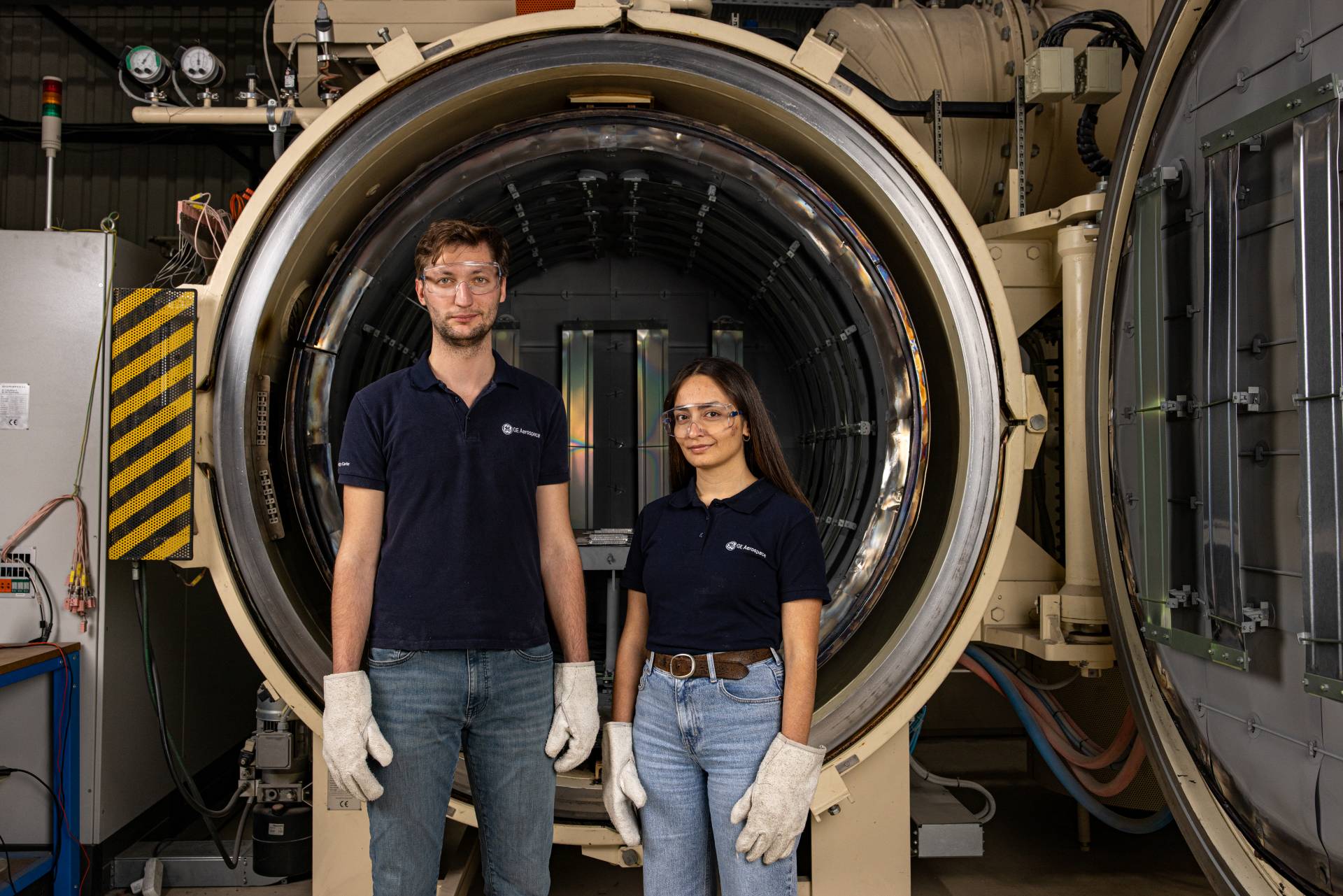
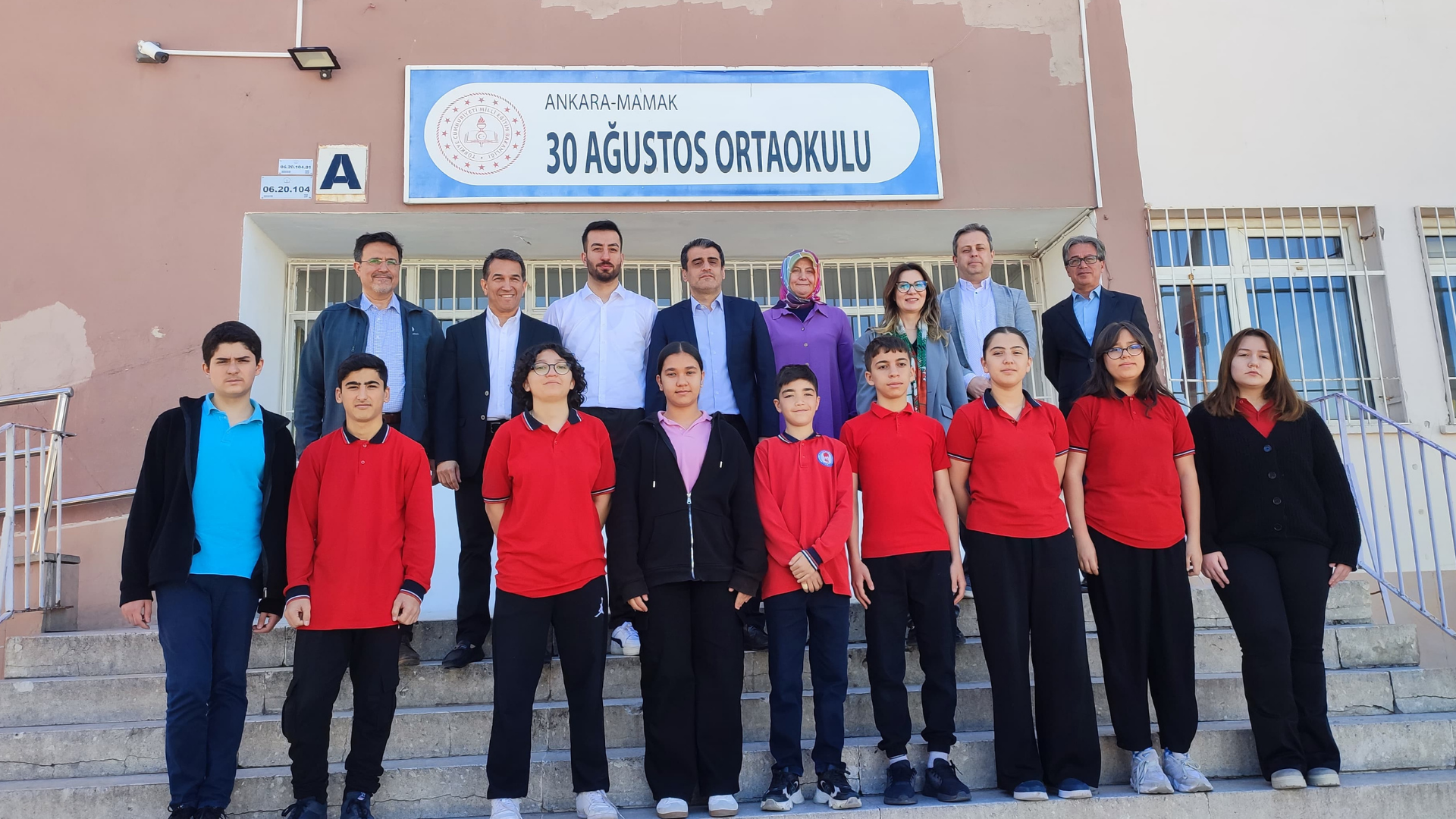
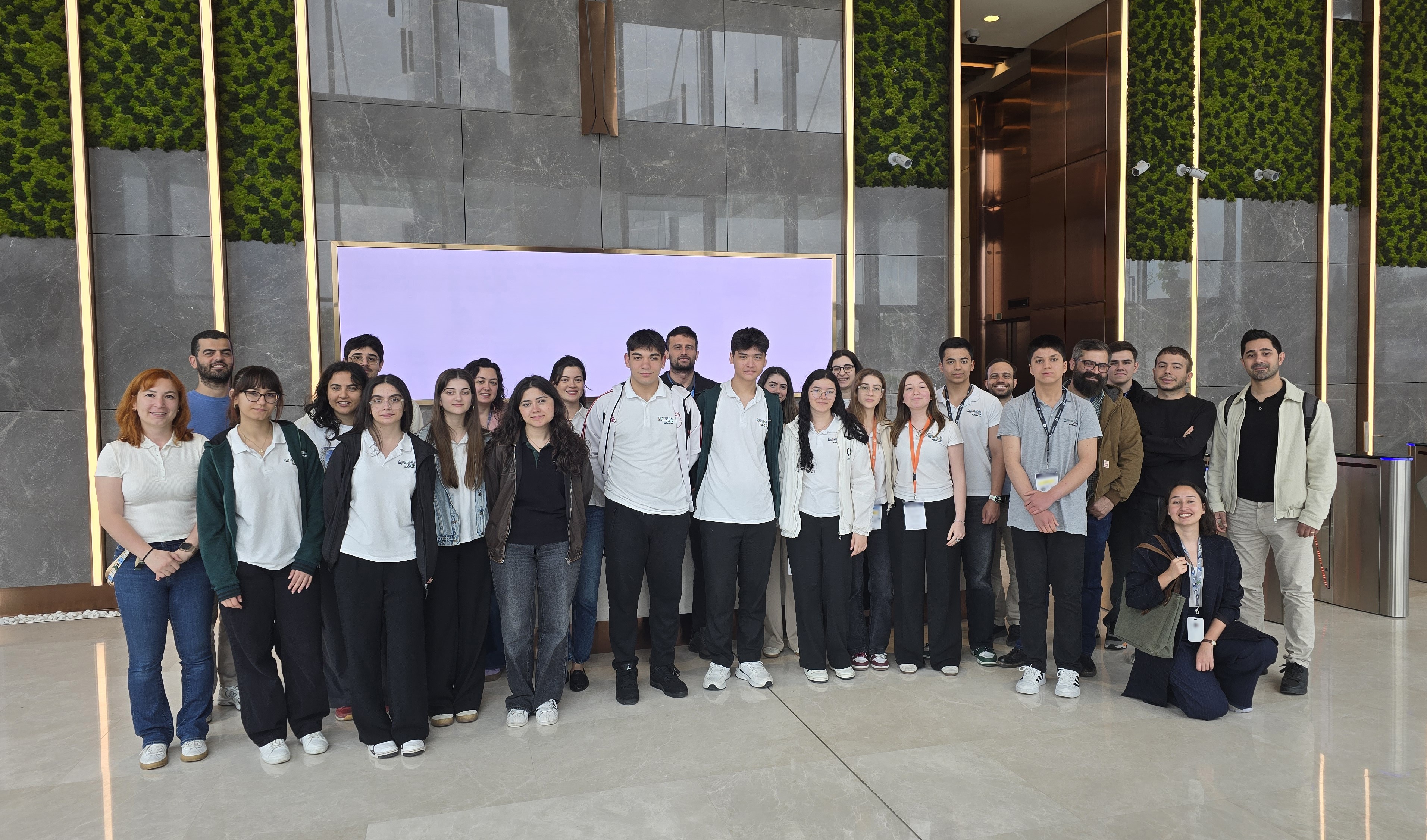
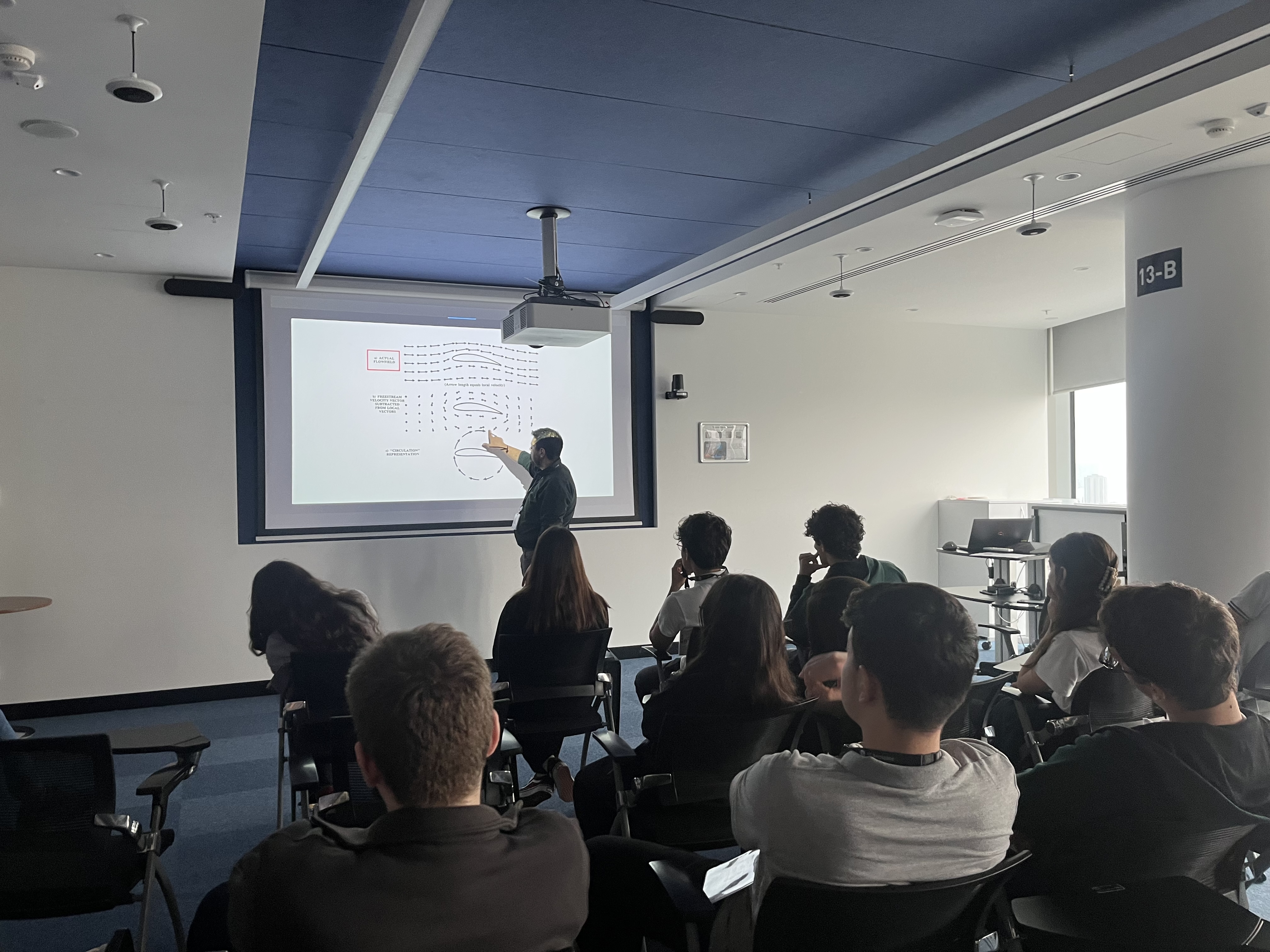
As in past years, this year’s event featured two groups of 15, high-achieving, math- and science-focused 15- to 16-year-olds. Each were each matched with TTC employees whose roles aligned with their interests.
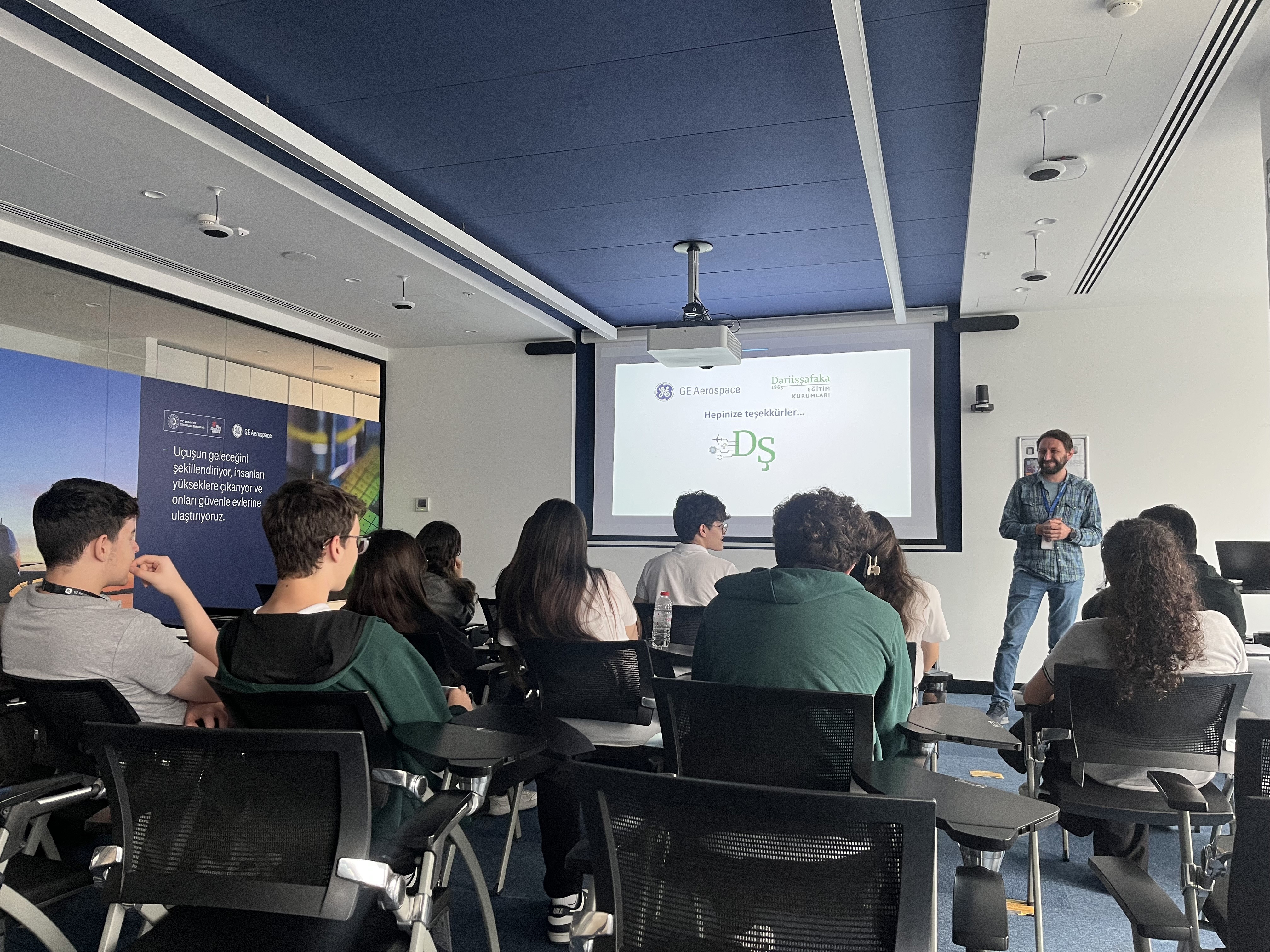
During the morning, each student shadowed their mentor, attending meetings, observing them work on real projects, and asking questions along the way. In the afternoon, they attended professional development sessions and other seminars on aircraft engines and the aviation industry.
“Over the course of the day, they learn about the engineering work happening within the aviation sector, gaining real insights into what it might be like to pursue this kind of career,” said Asena Aksayım, a staff software engineer and co-leader of the Women’s Network.
One day opens new possibilities
For many students, the experience can be eye-opening.
Aksayım recalled a student who began the TTC job shadowing program, assuming she would pursue nursing. By the end of the day, after seeing so many female engineers and the work they do, she began considering engineering as a possible path for herself.
Another student was deeply affected by the job shadowing for an entirely different reason, explained Ece Uzun, a co-organizer of the event and a senior software engineer at TTC. During an afternoon session, a TTC speaker described her work in the interdisciplinary field of mechatronics, which blends computer science, mechanical engineering, and other fields.
“For her, the idea that a specialization and a job could combine two totally different fields of interest was entirely new,” said Uzun. “It sparked her imagination about what was possible.”
Mentorship beyond the event
The mentor’s role, though, doesn’t stop at the end of the day. Şenol said that many students keep in touch with their mentors via LinkedIn or email. They ask for advice on university and summer program applications, CV and essay preparation, participation in hackathons and other competitions, and career direction.
Mentors also benefit from experience. Not only do they feel a sense of accomplishment from helping to expand interest in STEM, particularly among girls, but they also get a boost from seeing their work through the eyes of a young person. “We mentors are reminded of the impact of our work and are energized by the curiosity and enthusiasm of the students,” Şenol said.
Sparking a passion for STEM
The GE Aerospace Women’s Network in Türkiye operates several STEM awareness and education programs for youth.
“Türkiye is becoming a regional hub for high-tech industries such as aerospace, so STEM talent is crucial,” Şenol said. “However, not all students in Türkiye have the same opportunities to learn about these fields. Our activities, including those done in partnership with other organizations, aim to give more students, especially girls and young women, exposure to global companies like GE Aerospace and to modern, engineering-focused workplaces like TTC. This includes engaging with female role models and putting a focus on mentoring girls.”
In addition to providing ongoing mentorship to university students, the Women’s Network volunteers engage young people in a variety of ways. For four years, the Women’s Network has hosted two-day hackathons that engage up to 35 Darüşşafaka High School students in hands-on sustainability and aerospace problem solving.
The “Kids Are Coding” program brings GE Aerospace volunteers to teach MIT Scratch programming to middle school students, while as part of the “Dress for Success” campaign, employees donate professional clothing to disadvantaged young women entering the workforce.
“The Youth Pathway to Science” project, conducted in partnership with Habitat Association, taught sustainability and fostered curiosity in STEM fields to more than 8,200 young people.
‘People like me’
Across all the TTC Women’s Network activities, there is a shared commitment to education and to fostering interest in STEM fields, particularly among girls.
“If these students see people like them who worked hard and persevered in their dreams, holding jobs in technical fields and at companies like GE Aerospace,” said Şenol, “it becomes easier to imagine themselves in those roles too.”
See other posts
GE Aerospace is a world-leading provider of jet and turboprop engines, as well as integrated systems for commercial, military, business and general aviation aircraft.