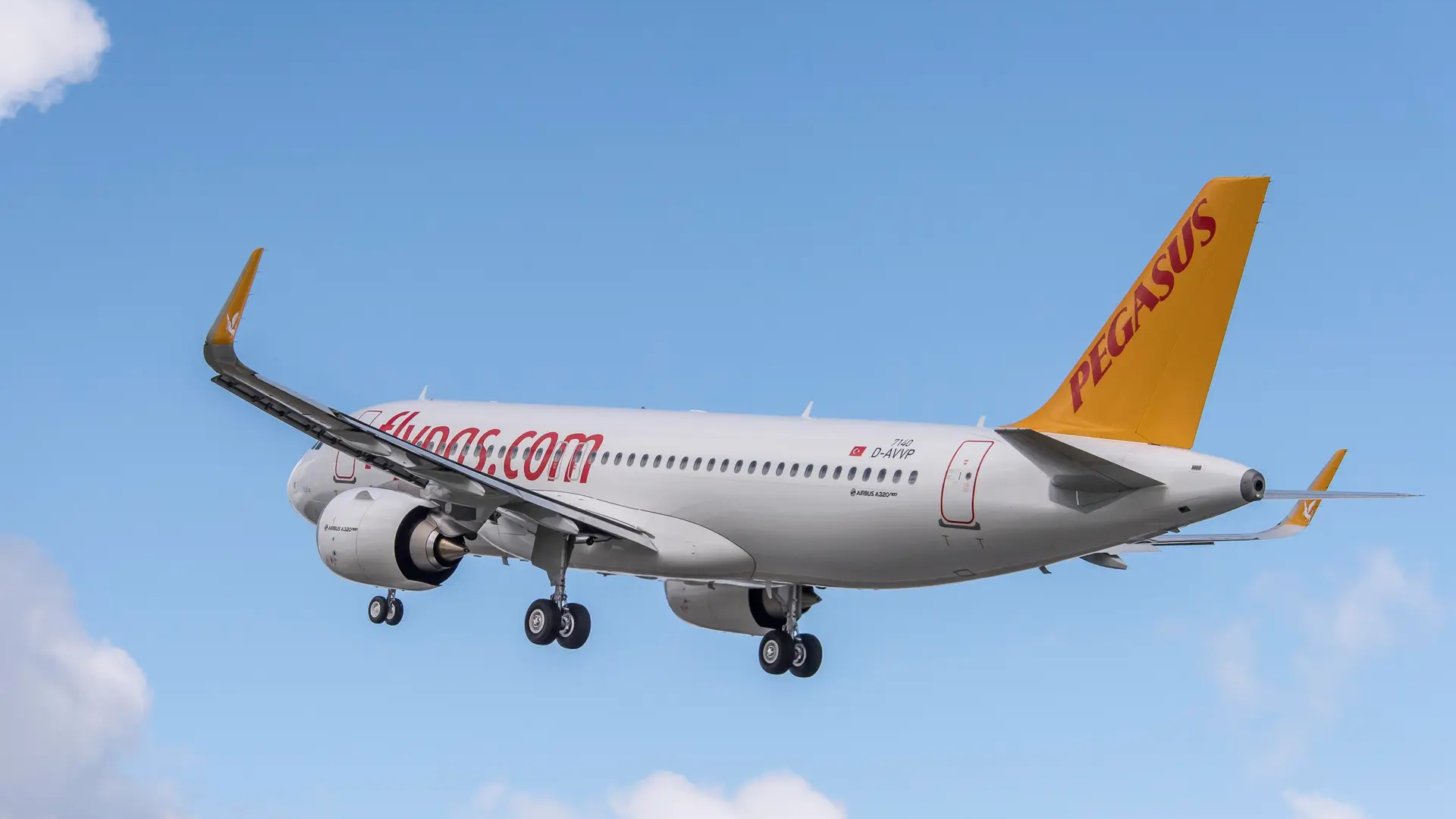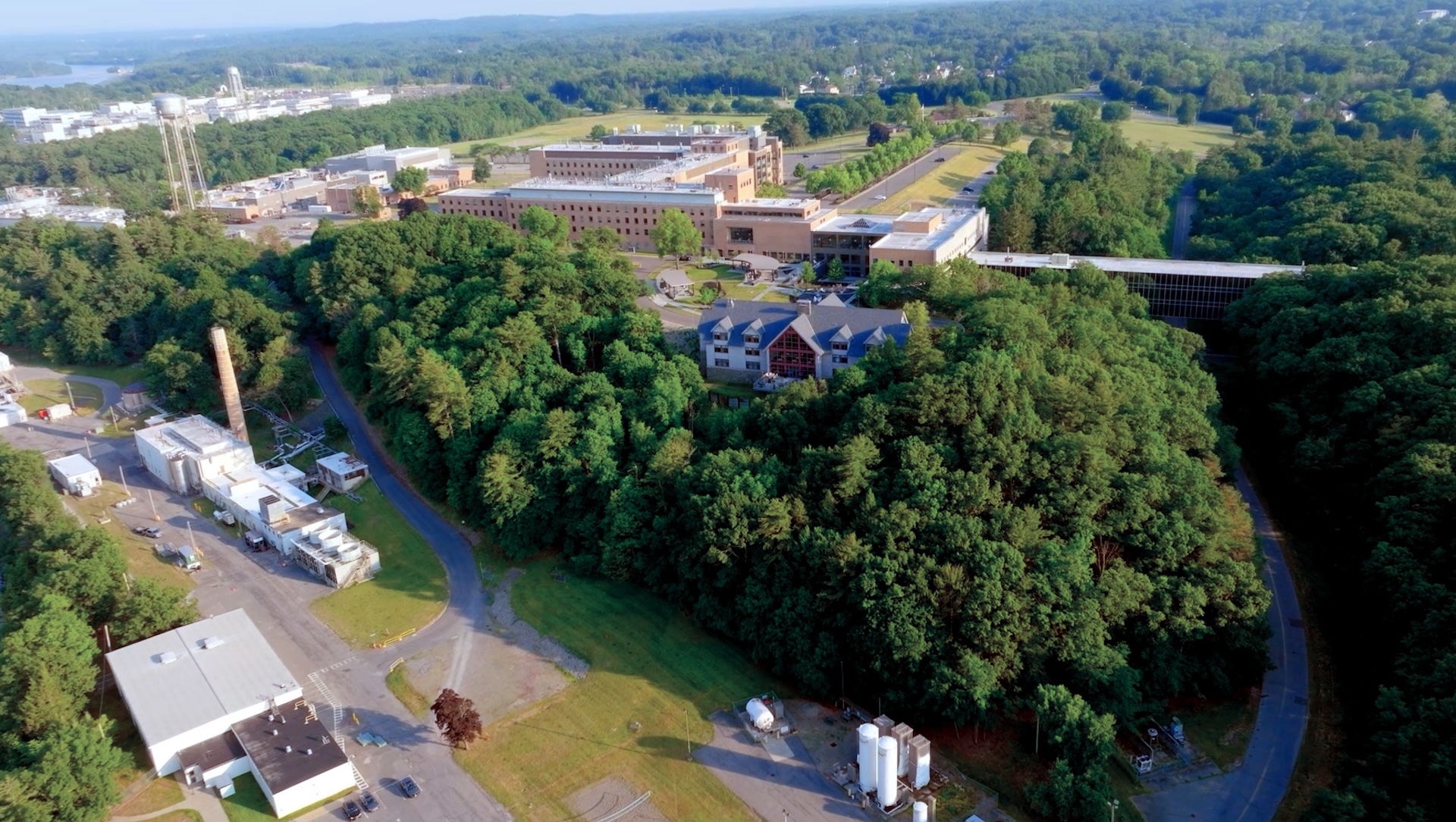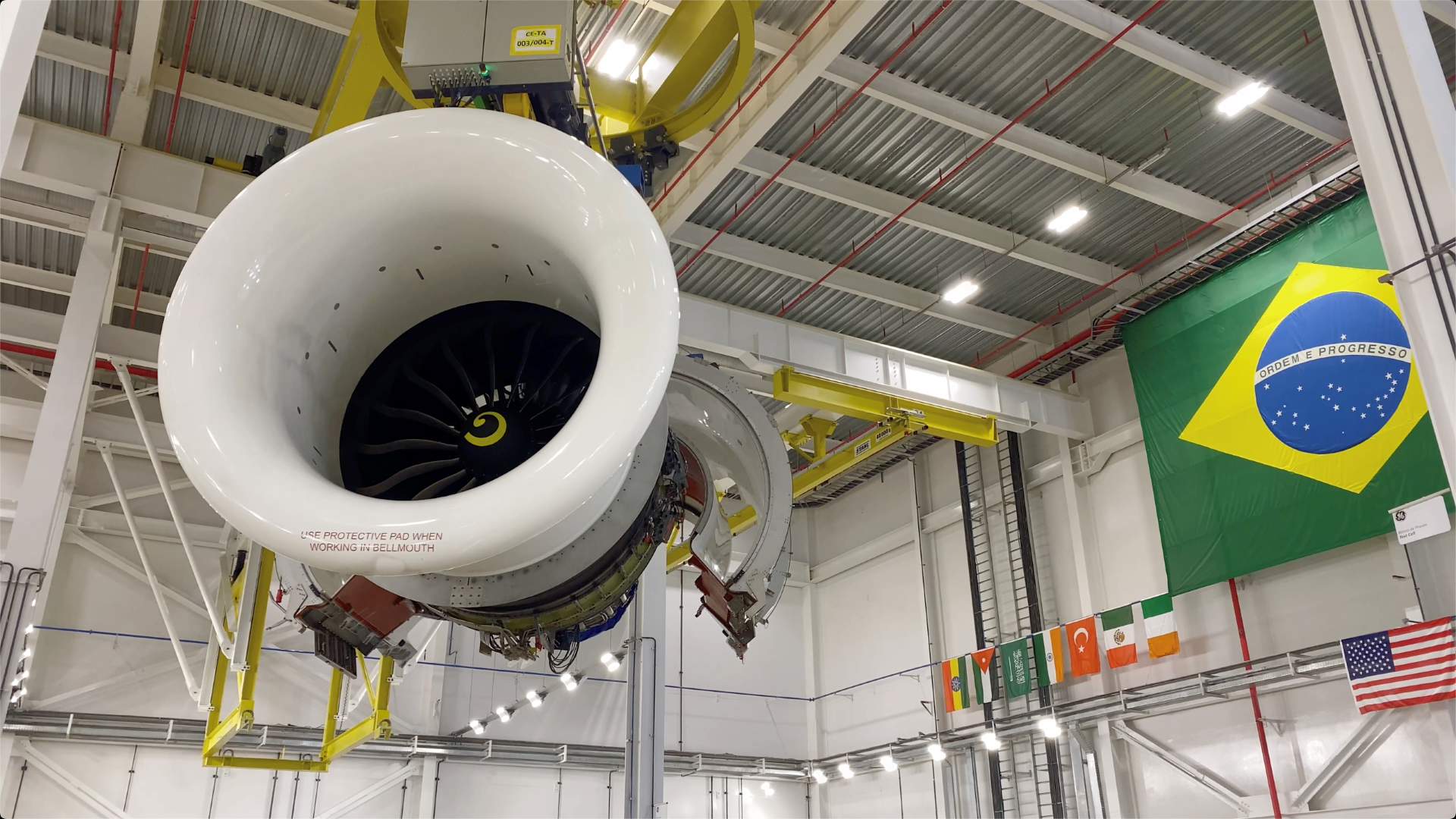
GE Aerospace's MRO operation in Celma, Brazil, is launching a new facility in Três Rios in 2026 that will specialize in CFM LEAP-1A and -1B engines and greatly expand its maintenance capacity. Images credit: GE Aerospace
Article
Expansion Plans: GE Aerospace’s MRO Facility in Celma, Brazil, Gears Up to Double Its Capacity
November 12, 2025 | by Cole Massie
The life of a jet engine is tough. From takeoff to touchdown, an engine can go from a hot and harsh environment in the Middle East, to the sub-zero temperatures found at 35,000 feet, and back down to humid and salty air in Southeast Asia, all in a matter of hours.
Luckily, engineers at GE Aerospace design engines to handle the extremes of flight over the course of thousands of flights. But every engine needs a tune up from time to time — and that’s where the company’s worldwide network of maintenance, repair, and overhaul (MRO) facilities shine. One such operation — GE Aerospace’s facility in Celma, Brazil — is about to hit a collection of important milestones in 2026: its 75th birthday, its 30th year as part of GE Aerospace, and the introduction of a state-of-the-art MRO shop.
Celma has developed a stellar reputation in the industry since opening in the 1950s. It is made up of five facilities across Rio de Janeiro, Brazil, with the campus in Petrópolis serving as its headquarters. Despite that strong history, the team isn’t resting on its laurels. In fact, Celma’s new MRO facility in Três Rios is expected to usher in its next chapter by nearly doubling its maintenance capacity from 600 to 1,000 engines annually.
Getting Ready for a Major LEAP
“These are special times,” says Julio Talon, GE Aerospace’s MRO leader for Brazil. “The Três Rios MRO shop will be the largest CFM LEAP* engine overhaul facility in the world, attracting customers from other continents and strengthening Brazil’s reputation as a key player in the aerospace industry.”
The CFM LEAP engine first entered revenue service in 2016 and is a leading powerplant in the single-aisle commercial aircraft market. It powers every variant of the Boeing 737 MAX, is an engine option for the Airbus A320neo aircraft family, and powers the Comac C919. Its predecessor, the CFM56 engine, is one of the best-selling commercial jet engines in history.
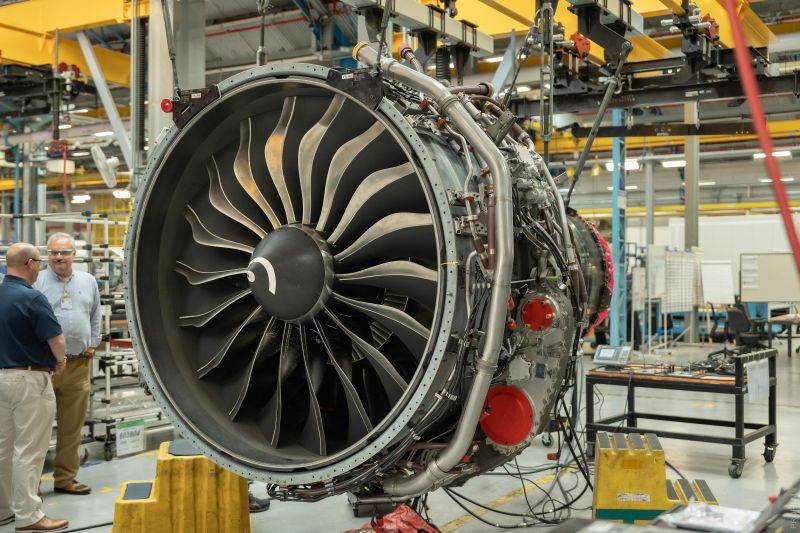
And just as the company experienced after the introduction of the CFM56 engine in the early 1980s, it will take a massive effort on the part of GE Aerospace’s MRO network to get LEAP engines repaired and quickly returned to airline customers. Early production LEAP engines are set to have their first scheduled MRO visits in the coming years, which is a driving force behind major investments in facilities like Três Rios.
“Três Rios will be a dedicated CFM LEAP-1A and -1B facility,” Talon says. (The LEAP-1A and -1B engines power the A320neo and 737 MAX, respectively.) “Other shops at Celma will continue to handle engines like the CF6, CFM56, and GEnx,” he adds, “which all remain in high demand due to their longevity and widespread use.”
FLIGHT DECK: The North Star
The Três Rios facility build-out comes at an important time for GE Aerospace. FLIGHT DECK, the company’s proprietary model for lean management, has taken root to drive better safety, higher quality, faster delivery, and affordable cost for customers. Jaqueline Tibau, the human resources leader for Celma, says FLIGHT DECK has been the team’s “North Star” while designing the shop floor layout.
“We spent several weeks in Três Rios with the teams that will be working at the facility next year, listening and incorporating their thoughts into the facility design,” she says. “We’re focused on strengthening our reputation for safe, quality, and timely engine service turnarounds for our customers. FLIGHT DECK is at the center.”
FLIGHT DECK relies on technology improvements just as much as process improvements. The new facility will feature advanced diagnostic and repair tools tailored for the LEAP engine to enhance efficiency and quality. It will also make the shop a destination for technicians looking to work with the latest technology.
Now Hiring
The new growth in Celma is expected to create an additional 400 jobs, bringing the Brazil operation’s total employment to almost 4,000 in the state of Rio de Janeiro. Many of those new additions will be MRO technicians. It’s a lot of positions to fill, but leaders at Celma are confident in their approach. “We aren’t waiting for the Três Rios plant to open to train new staff,” Tibau says. “Training is ongoing so we can hit the ground running when the site opens.”
The Celma team’s partnership with Serviço Nacional de Aprendizagem Industrial (SENAI), a training academy established by Brazilian industrial firms, has been crucial to Celma’s success. Continued collaboration with SENAI will ensure GE Aerospace employees are well prepared to meet new technical demands.
“GE Aerospace has absorbed a large percentage of SENAI graduates historically,” Talon notes. “The curriculum there provides students a strong foundation in aerospace technology, and then we provide opportunities for advanced skill development as our technicians gain more experience. LEAP engine maintenance will be one of those great development opportunities.”
A Location of Choice
As Talon reflects on what has made Celma a top-choice location for MRO services, he sees several factors. A winning combination of a customer-first culture, a continuous improvement mindset growing with FLIGHT DECK, strong talent and training programs, and the upcoming addition of a state-of-the-art facility are all important. These produce the outcomes GE Aerospace customers value, such as reduced turnaround times, competitive costs, and high-quality work.
As 2026 approaches, the GE Aerospace team at Celma is excited to celebrate these milestones. Still, the celebrations won’t get in the way of the team’s mission. “I tell my staff constantly, ‘the Celma tomorrow needs to be better than the Celma today,’” Talon says. “I couldn’t be prouder of the direction we’re headed.”
*CFM LEAP engines are produced by CFM International, a 50-50 joint company between GE Aerospace and Safran Aircraft Engines.
See other posts
GE Aerospace is a world-leading provider of jet and turboprop engines, as well as integrated systems for commercial, military, business and general aviation aircraft.