Article
Partners in Flight: Powering the Next Chapter of Korea’s Aerospace Industry
December 19, 2025 | by GE Aerospace Reports Staff
Over the past few decades, South Korea has emerged as a global force in countless industries — from electronics and automobiles to entertainment and aerospace.
On the aerospace front, steady government investment and the determination of domestic leaders such as Hanwha Aerospace and Korea Aerospace Industries (KAI), combined with collaboration from global partners including GE Aerospace, have propelled the nation’s progress.
This collective effort has positioned South Korea among the world’s top aerospace manufacturing hubs, ranking the nation third in Samil PwC’s “2024 Aerospace Manufacturing Attractiveness Rankings by Major Countries” report, which recognizes South Korea’s growing competitiveness in defense manufacturing and export growth, driven by its strong aerospace ecosystem and collaborative approach to technology advancement.
Trusted Partners with a Shared Vision
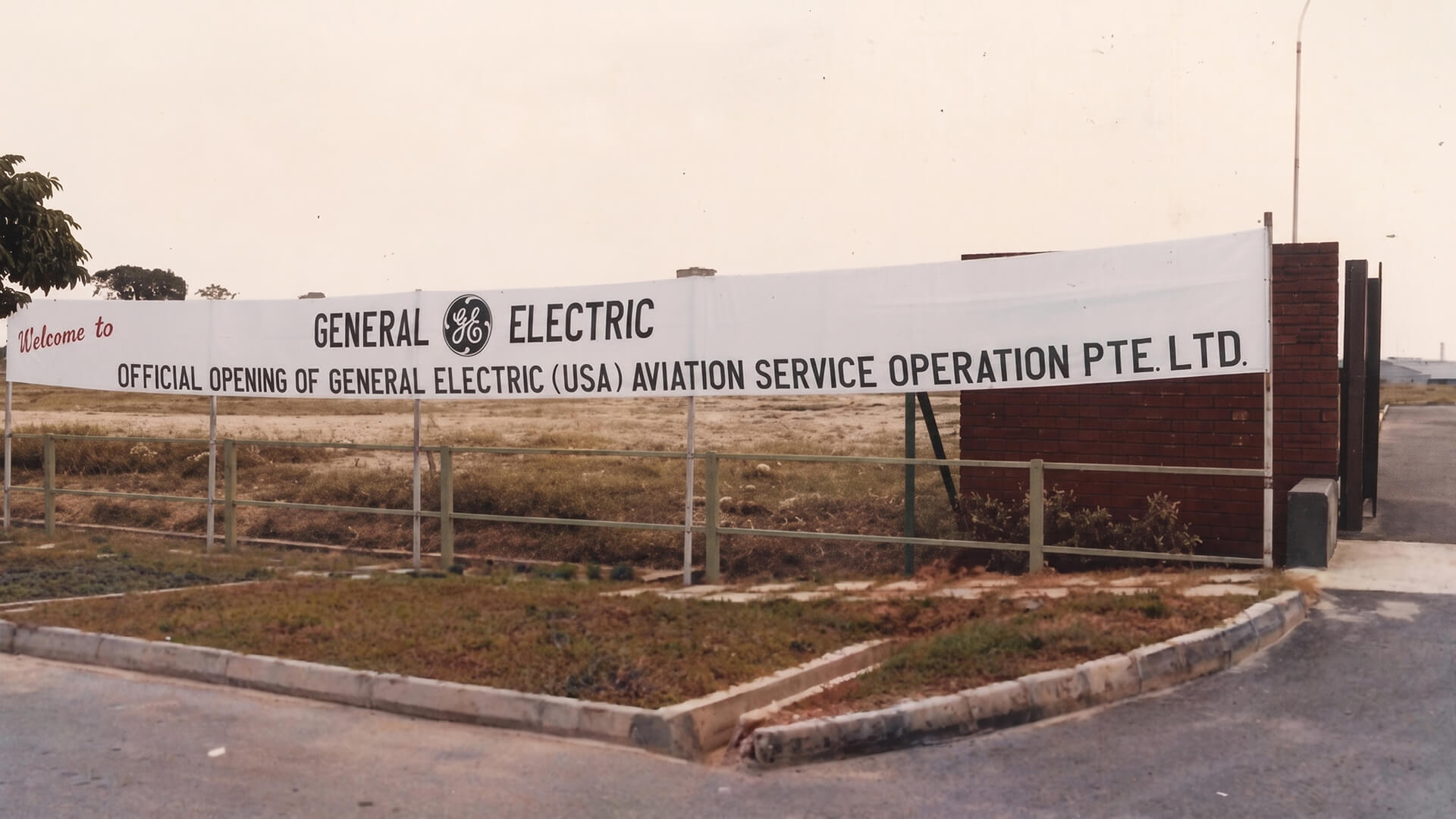
South Korea’s reputation as a world-class technology hub today is built on foundations established more than 60 years ago. In those early days, GE Aerospace was among the first international aerospace companies to develop a presence in South Korea, providing engines that powered the nation’s military fleet.
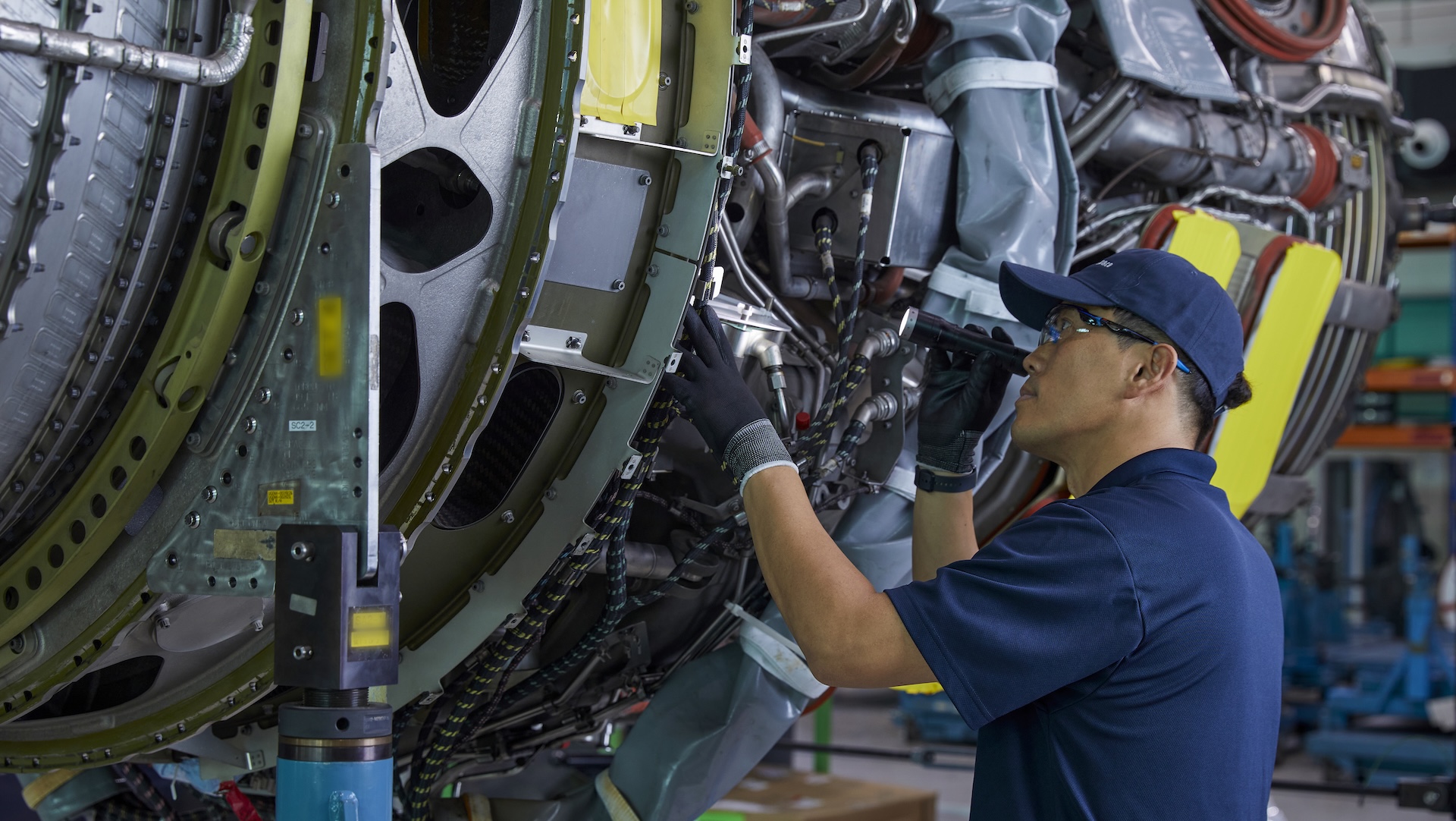
This marked the beginning of a long-standing relationship in the defense sector, where GE Aerospace has worked alongside South Korea to provide reliable, high-performance engines and comprehensive maintenance services for military aircraft and naval vessels. Today, more than 1,500 GE Aerospace engines have been chosen for Korea’s military aircraft and naval ships, making it the largest fleet of GE Aerospace–powered defense engines in operation outside the United States.
Over the years, technology collaboration and capacity-building initiatives have further strengthened partnerships with South Korea’s domestic industry. From powering KAI’s T-50 Golden Eagle with the F404 engine to co-developing the T700 turboshaft engine with Hanwha Aerospace for the KUH-1 Surion utility helicopter, GE Aerospace has long been a trusted propulsion partner throughout Korea’s key military aircraft programs. These programs, among others, have helped strengthen the country’s defense manufacturing foundation and technical expertise, paving the way for next-generation projects such as the KF-21 Boramae.
KF-21 Boramae: A Landmark Collaboration
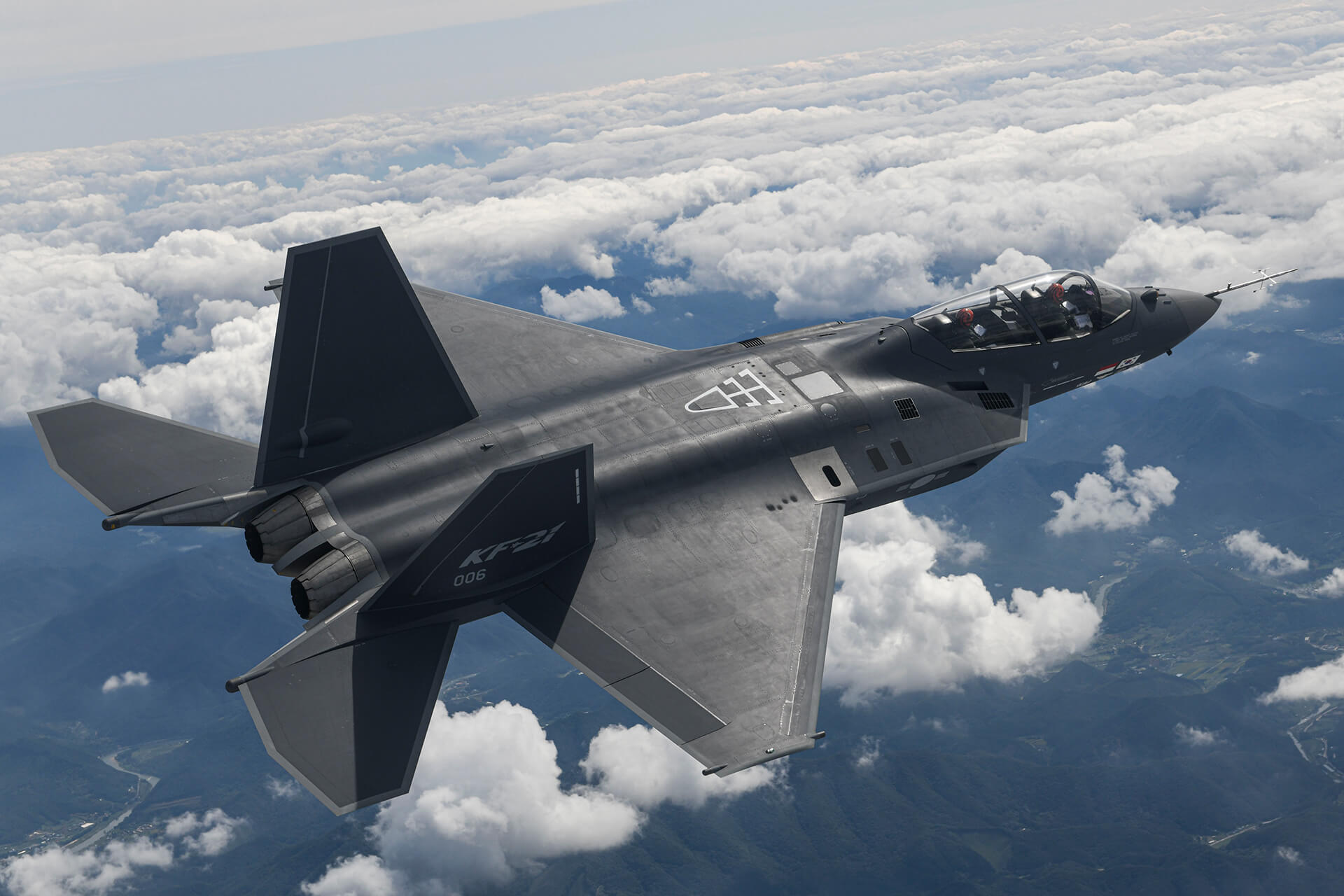
The development of South Korea’s first indigenous fighter jet, the KF-21 Boramae, marks a significant milestone in the nation’s journey toward greater defense and technological independence. This ambitious program highlights Korea’s growing capabilities in defense and manufacturing, while showcasing the power of international partnerships in advancing complex, high-tech programs efficiently and effectively.
The development of the KF-21, powered by GE Aerospace’s F414 engines, demonstrates the impact of combining local expertise from Hanwha Aerospace and KAI with global technology to deliver a world-class fighter jet.
KAI’s selection of the F414 engine, launched in 1992, extends the powerplant’s global footprint. More than 1,600 F414 engines have been delivered to defense forces in eight nations since it entered service in 1998, accumulating over five million flight hours.
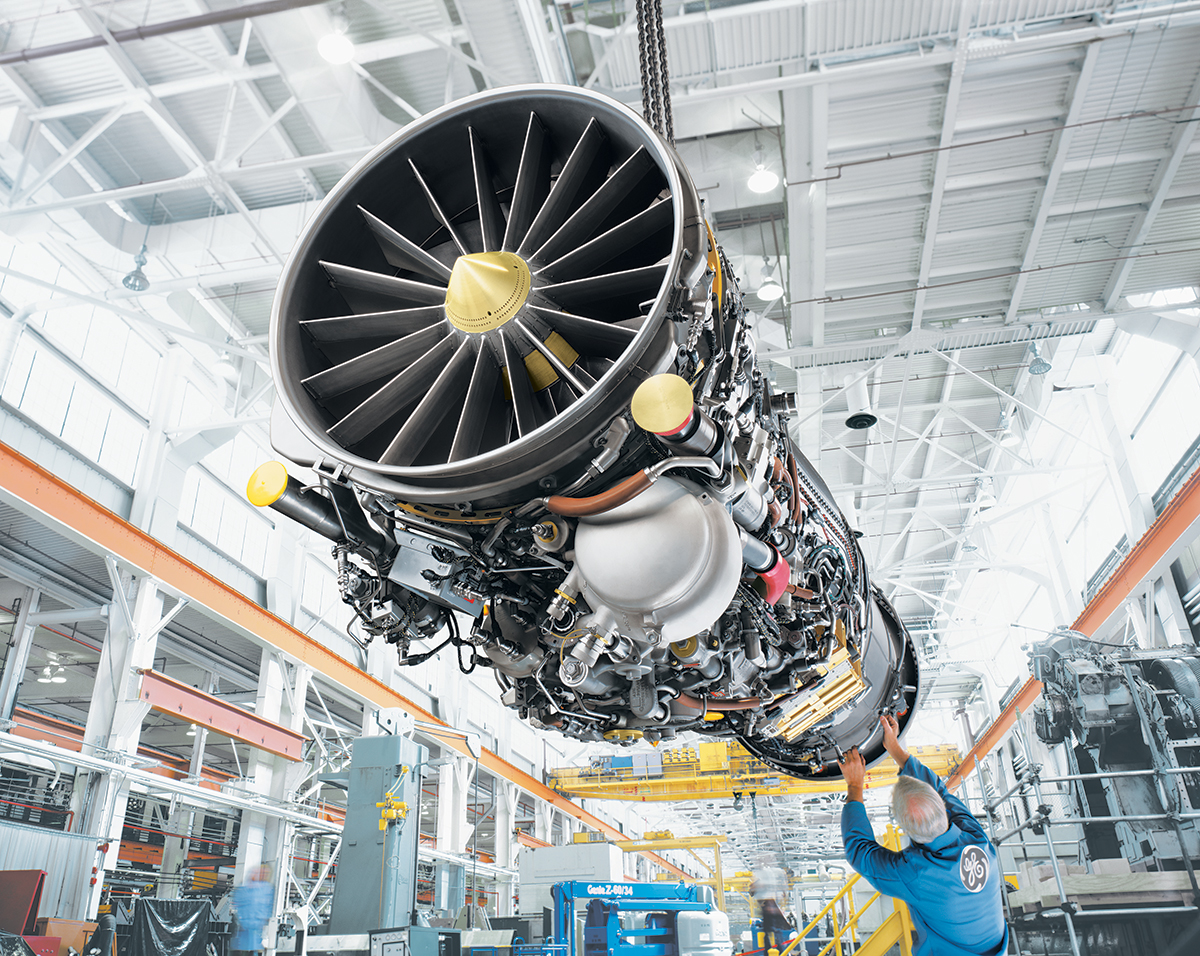
Providing up to 35% more thrust than its predecessor, the F404, the F414 engine offers one of the highest thrust-to-weight ratios, enabling quicker response during steep climbs and fast turns. In addition to the KF-21, F414 engines currently power the Boeing F/A-18E/F Super Hornet, the Boeing EA-18G Growler, the Saab Gripen E/F, and the HAL Tejas Mk2.
The KF-21 program has also set new benchmarks for domestic aerospace innovation and manufacturing excellence, positioning South Korea as a key player in the global defense industry. Through this collaboration, South Korea has strengthened its foundation in defense propulsion technology and advanced its production capabilities.

powered by GE Aerospace's F414
“Developing the KF-21 has been a defining moment for Korea’s aerospace industry,” says Byounghoon Choi, KF-21 program manager at Hanwha Aerospace. “Through our collaboration with GE Aerospace to produce the F414-400K engines locally for the next-generation fighter, we are advancing manufacturing capabilities and strengthening Korea’s foundation in defense propulsion technology.”
“The KF-21 symbolizes Korea’s growing ambition and capability in aerospace,” says Youngje Kim, GE Aerospace’s general manager of Asia Pacific Defense & Systems. “Working alongside Hanwha Aerospace and KAI, we take great pride in seeing the F414 engines powering this next-generation fighter. It’s a reflection of the trust and collaboration built over six decades.”
Powering the Future of Korea’s Aerospace Ambition
As Korea looks ahead to develop next-generation defense and propulsion technologies, collaboration will be key to ensuring progress that is both sustainable and globally competitive.
Building an advanced jet engine requires deep engineering experience, global testing infrastructure, and long-term investment. Partnering with a trusted ally like GE Aerospace offers valuable experience, proven know-how, and broader opportunities beyond the home market.
“Our partnership with Korea has always been rooted in mutual respect and shared ambition,” Kim says. “Through the KF-21 program and future collaborations, we are excited to continue working together to advance Korea’s aerospace capabilities.”
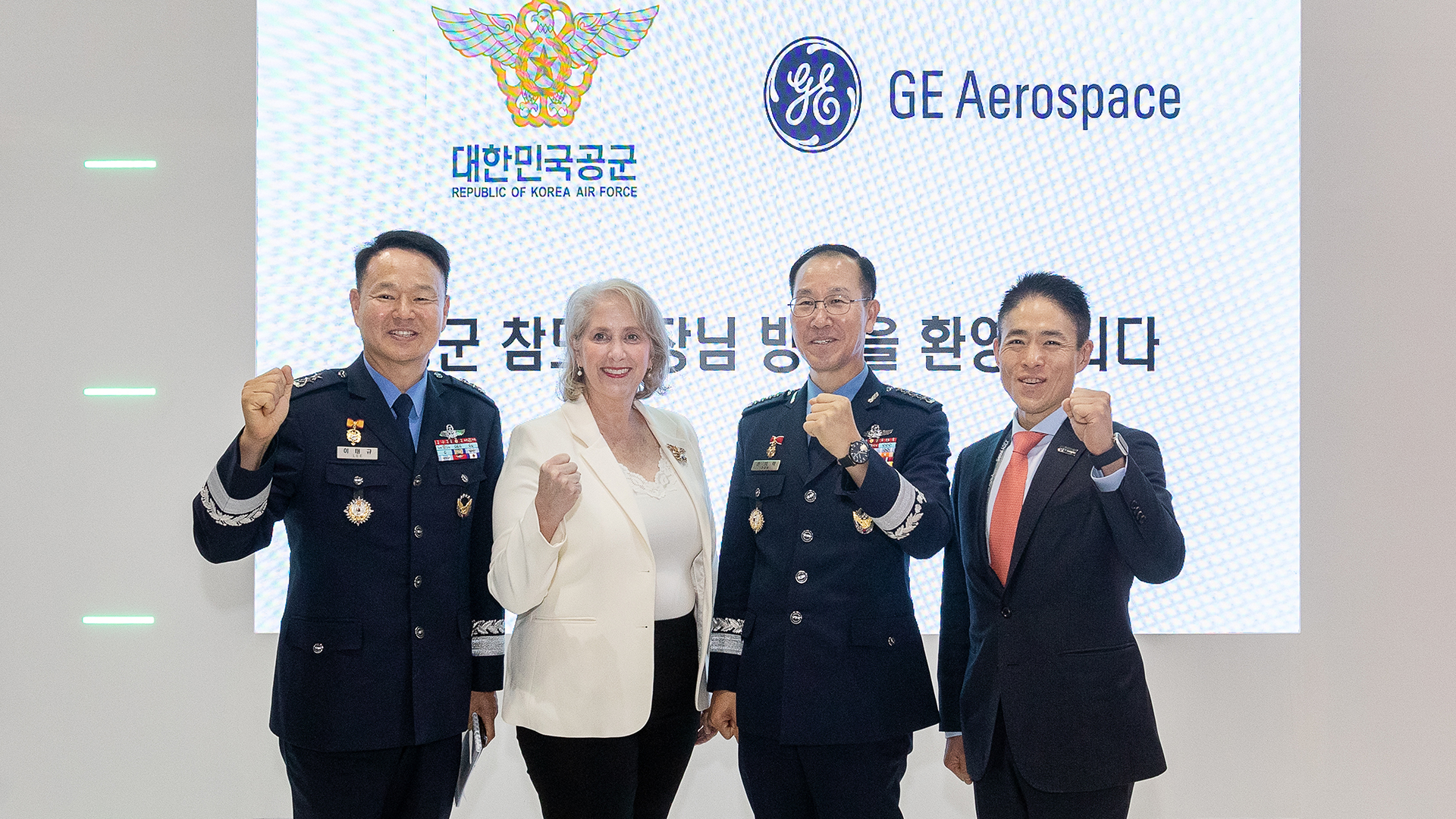
At October’s Seoul Aerospace & Defense Expo (ADEX) 2025, this partnership was further strengthened as GE Aerospace and Hanwha Aerospace announced plans to deepen their collaboration. This includes a memorandum of understanding (MOU) to cooperate on the joint development of marine gas turbine packages and an agreement for additional T700 and F404 engines to power Korea’s indigenous aircraft.
“This latest order deepens our partnership with GE Aerospace, allowing both companies to contribute to the advancement of Korea’s growing defense capabilities and competitiveness,” says Sun Kim, senior executive and president of Hanwha Aerospace’s Aero Engine Business Group.
As Korea continues to expand its aerospace ambitions, GE Aerospace remains committed to supporting the nation as a trusted partner — transforming shared vision into real progress and innovation into lasting capability.
See other posts
GE Aerospace is a world-leading provider of jet and turboprop engines, as well as integrated systems for commercial, military, business and general aviation aircraft.