Article
GE Aviation Celebrates 50 Years of Service With CF6 Engine
July 30, 2021 | by Alex Schroff and Chelsey Levingston
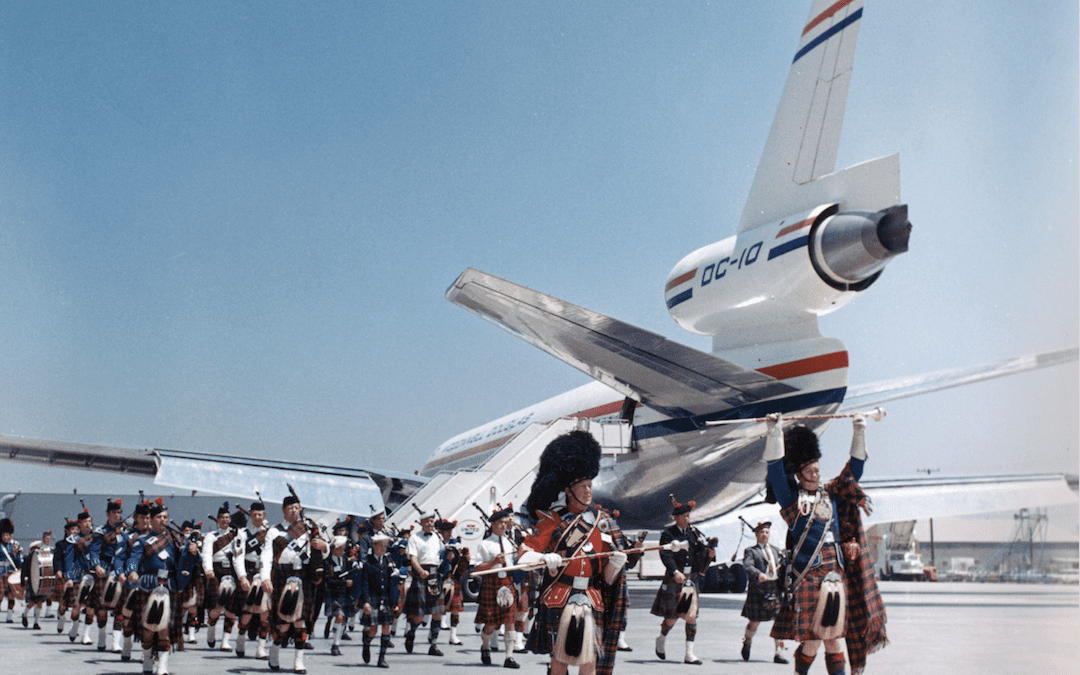
Before the introduction of the CF6 engine, GE Aviation had yet to find a successful footing in the civil aviation market. That changed in 1971. Building on the technology of the TF39 military engine, GE’s CF6-6 high bypass turbofan aircraft engine entered service on the McDonnell Douglas DC-10-10. Since then, the CF6 family has grown to include the CF6-50, CF6-80A, CF6-80C2 and CF6-80E1 engine models.
On August 5, 2021, GE Aviation celebrates the 50th anniversary of revenue service of the CF6 widebody jet engine family, which, to date, has accumulated more than 460 million engine flight hours.
Travel down memory lane with the following series of photos that capture key moments in CF6 engine history:
1960s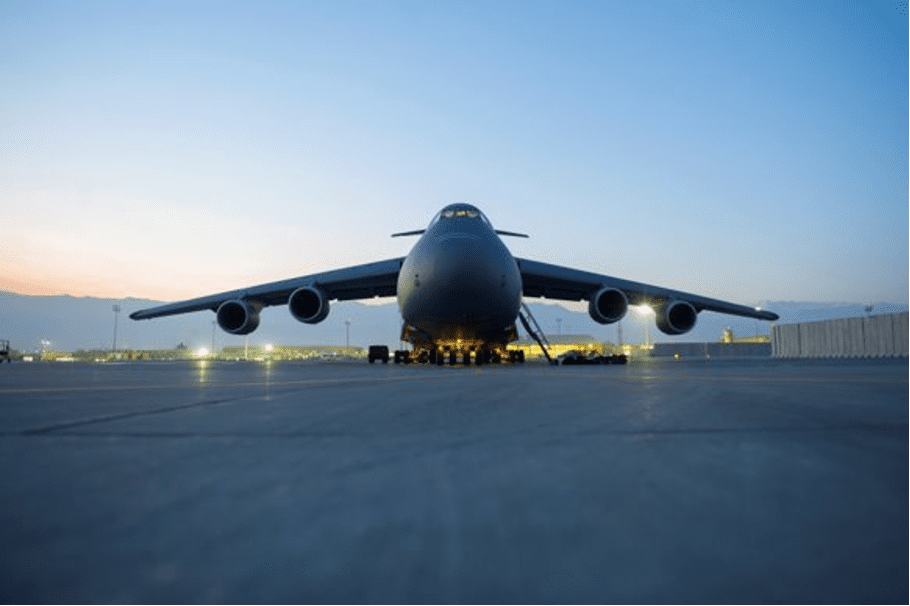
Prior to commercial introduction, the CF6 was based on the TF39 military engine, the first high bypass turbofan engine that GE developed in the mid-1960s for the U.S. Air Force’s Lockheed Martin C-5A/B Galaxy. This has since come full circle. The C-5M Super Galaxy was re-engined in the 2000s with the CF6-80C2.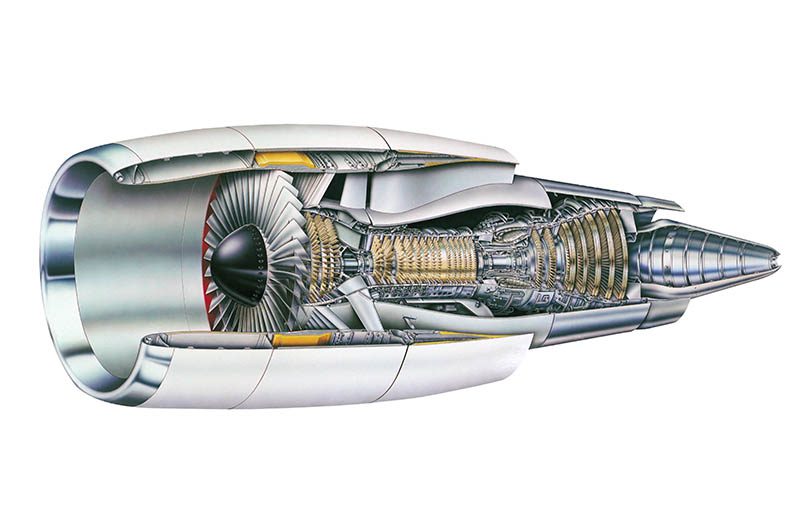 The CF6-6 widebody engine program was first launched in 1967, and received its first customer orders in 1968. Then, when the CF6-50 program was launched in 1969, it helped establish a new partnership between GE and Safran Aircraft Engines. The relationship would grow into CFM International, a 50-50 joint company between the two companies that produces single-aisle aircraft engines CFM56 and LEAP.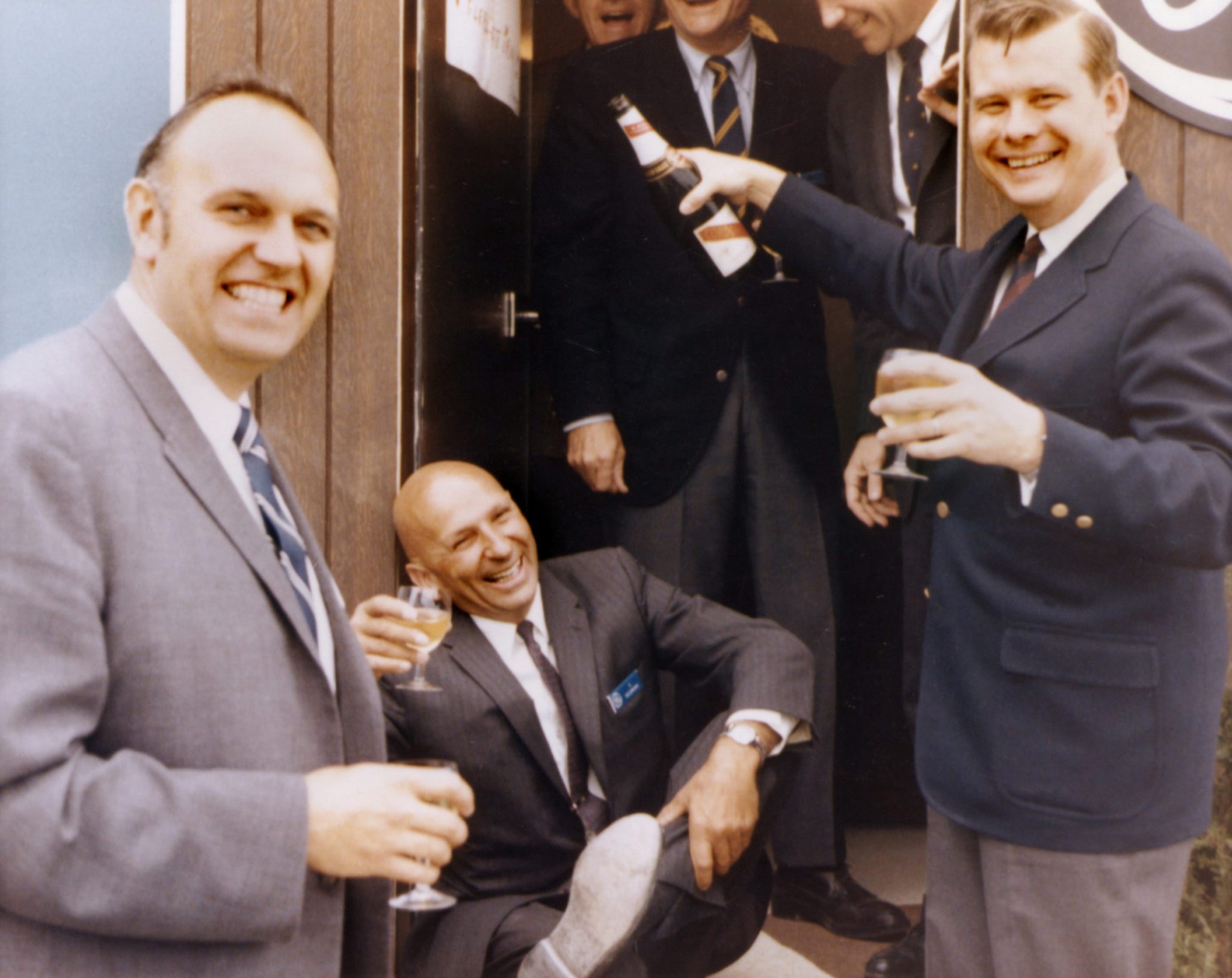
Now considered a workhorse of the commercial aviation industry, the CF6 engine family that would make GE Aviation a contender in the civil aviation market was still in development at the 1969 Paris Air Show.
On the Le Bourget airfield that year, following tense negotiations and nervous nail biting, Brian Rowe, then the CF6 program manager, marketing manager Ed Hood and GE Aviation’s top executive Gerhard Neumann (pictured) celebrated the sale of CF6-50 engines to their first European customer, the airline consortium KSSU.
1970s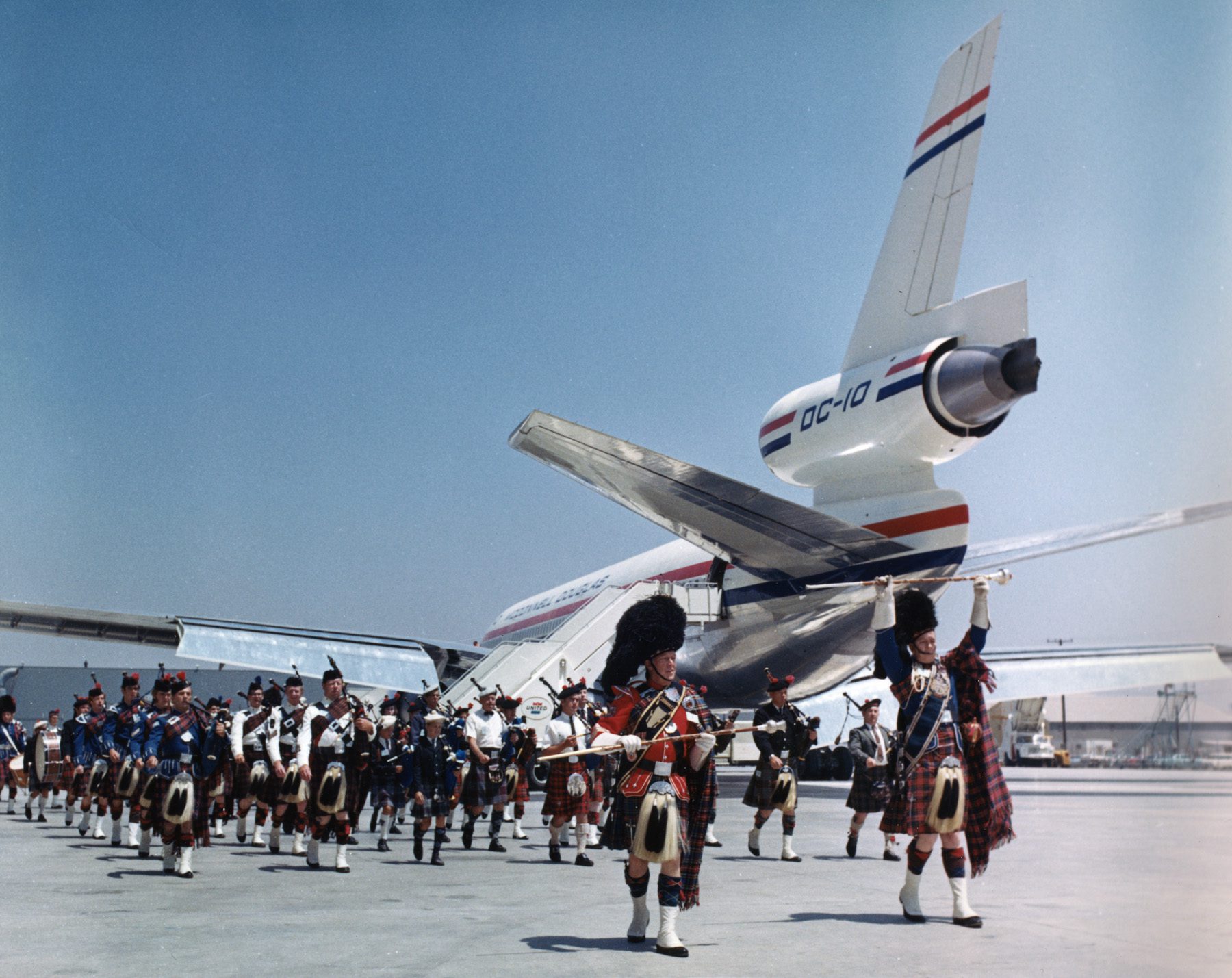
The rise of the CF6 engine can be partially credited to the McDonnell Douglas DC-10-10 entering service in 1971. The CF6-6 engine's 40,000-pound thrust, high bypass fan technology helped GE Aviation secure a foothold in the commercial widebody space. Fifty years later, more than 8,500 CF6 engines have been delivered and more than 460 million engine flight hours reached.
1980s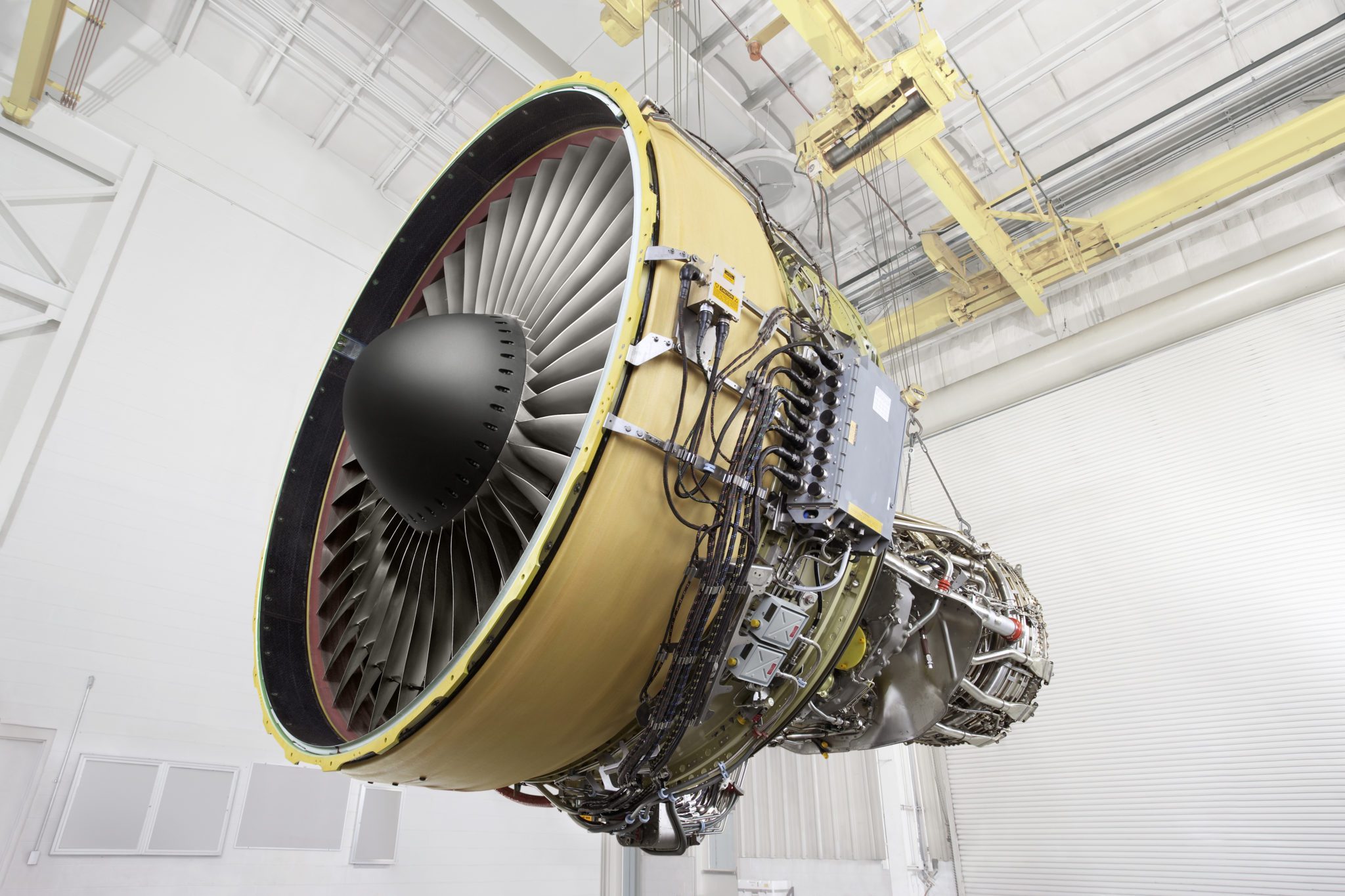
The CF6-80A and -80C2 engines, which entered service in the 1980s, are known for their high reliability, and this was evident during Extended-Range Twin Operations (ETOPS) testing. Both engines received 180-minute ETOPS approval on the Boeing 767, and the CF6-80C2 engine received 138-minute ETOPS approval on the A300 and A310 aircraft that enabled twin-engine aircraft operations on international flights across oceans.
1990s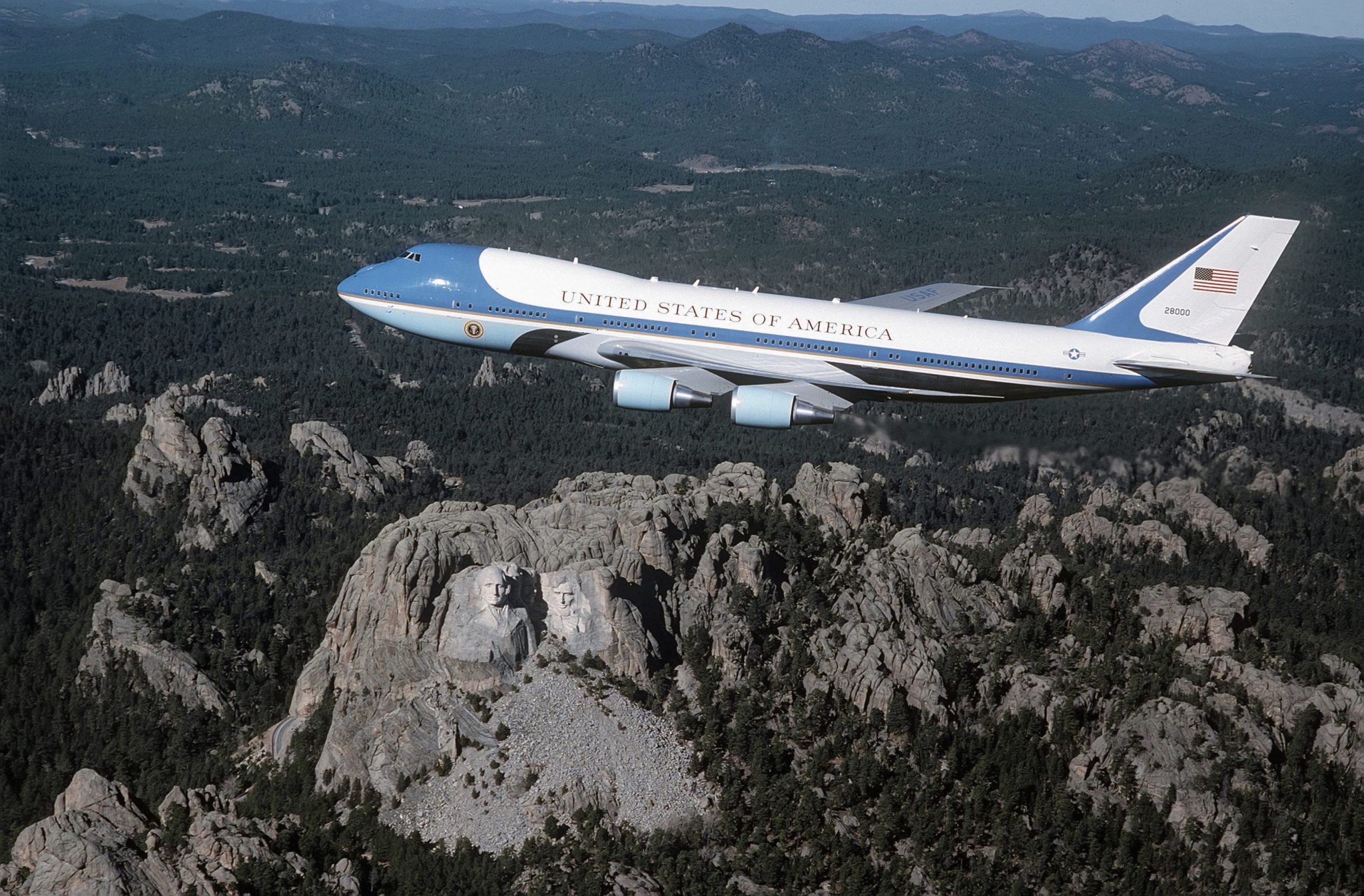
For more than 20 years, the CF6-80C2 has powered Air Force One, safely carrying U.S. presidents around the world. Three CF6-80C2 engines also power GE Aviation's flying testbed, which is used for the testing and certification of engine product lines.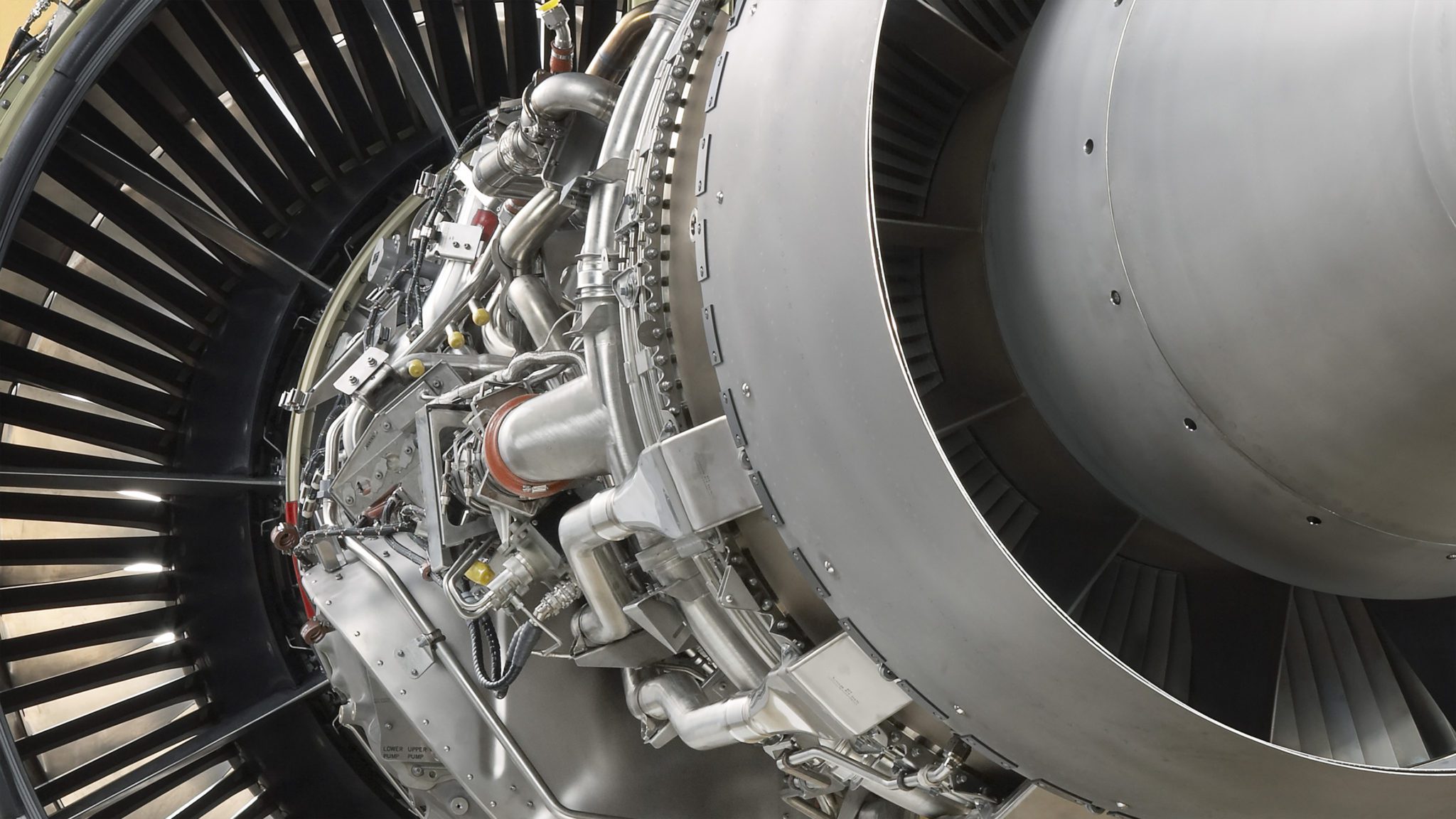
By designing the CF6-80E1 specifically for the Airbus A330, GE combined the newest technologies for the lower weight and lower fuel burn, enabling operators to maximize the potential of their A330 aircraft. The CF6-80E1 entered service in 1994.
In 2009, the European Aviation Safety Agency (EASA) approved all Airbus A330 models for ETOPS beyond 180 minutes. That made the A330 the first aircraft type to receive such approval, either from EASA or the FAA.
2000s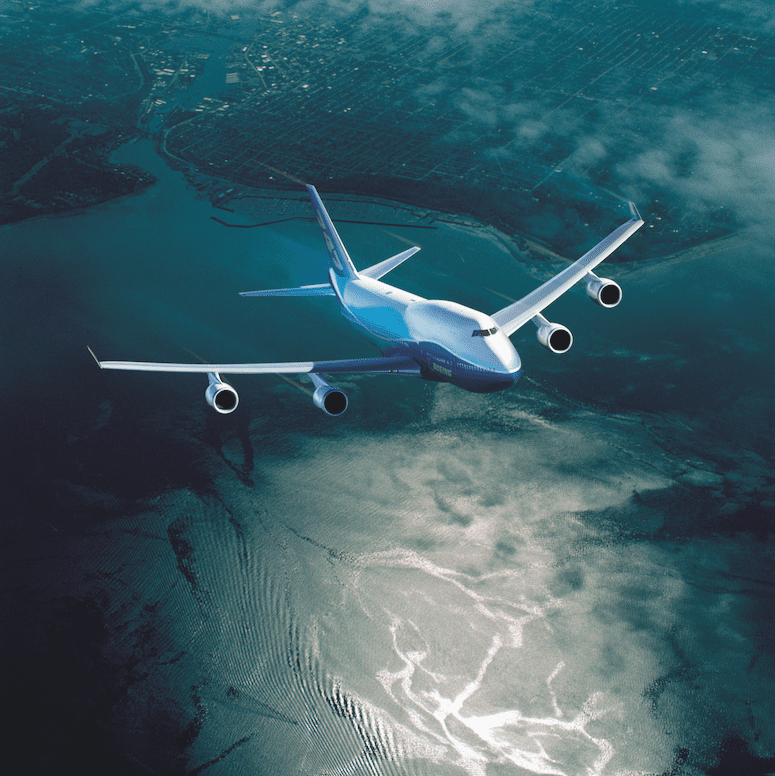
GE, as a partner with Boeing and Virgin Atlantic, powered with CF6 engines a Virgin Atlantic 747-400 from London to Amsterdam in February 2008 to demonstrate the use of a sustainable biofuel. It was the first demonstration flight ever flown on renewable fuel.
2020s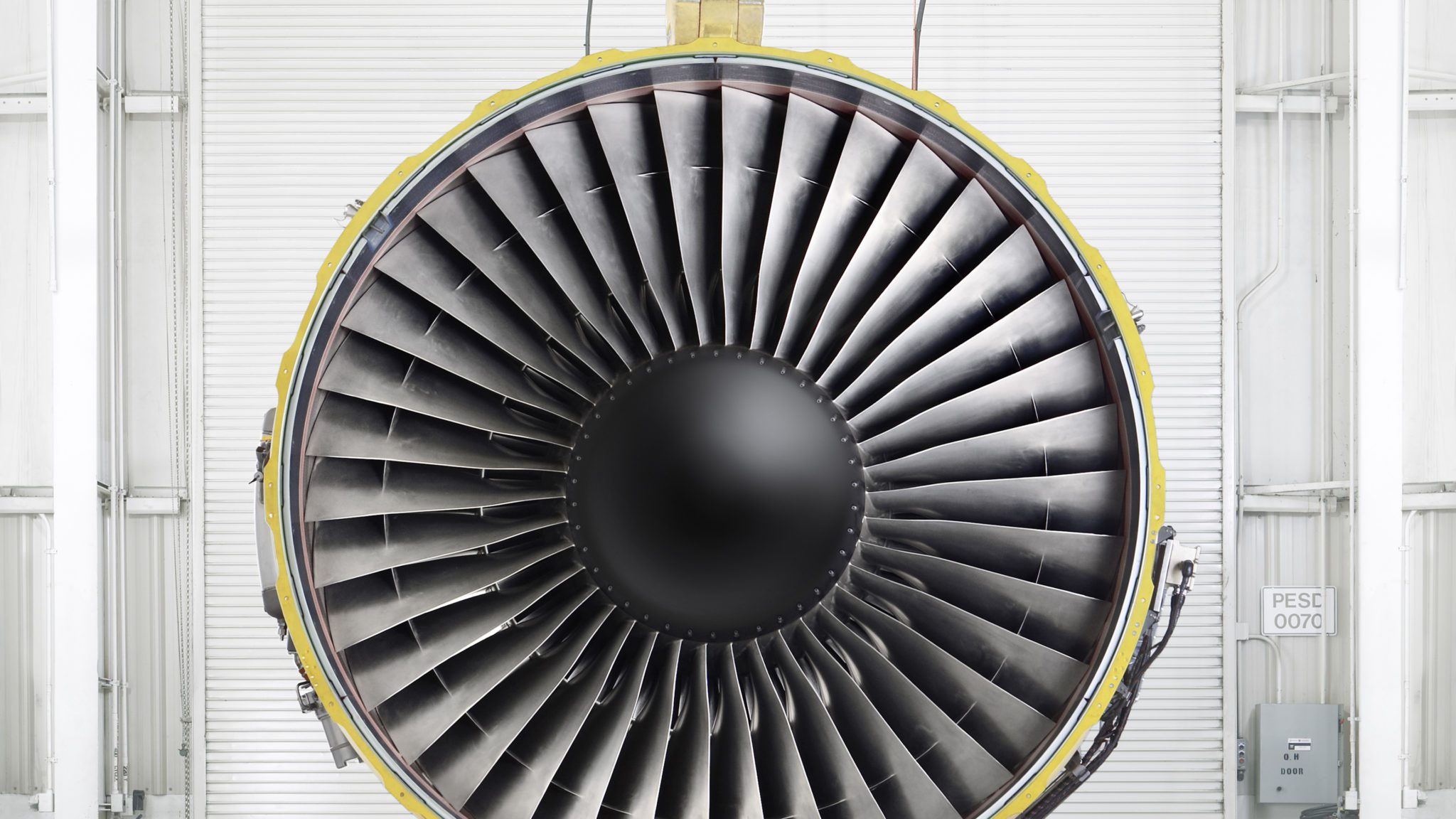
Over the last 50 years, the CF6 engine program has powered 10 unique aircraft families. It currently powers 68% of the world's wide-body cargo aircraft, with the CF6-80C2 engine still being produced today for the Boeing 767 Freighter.
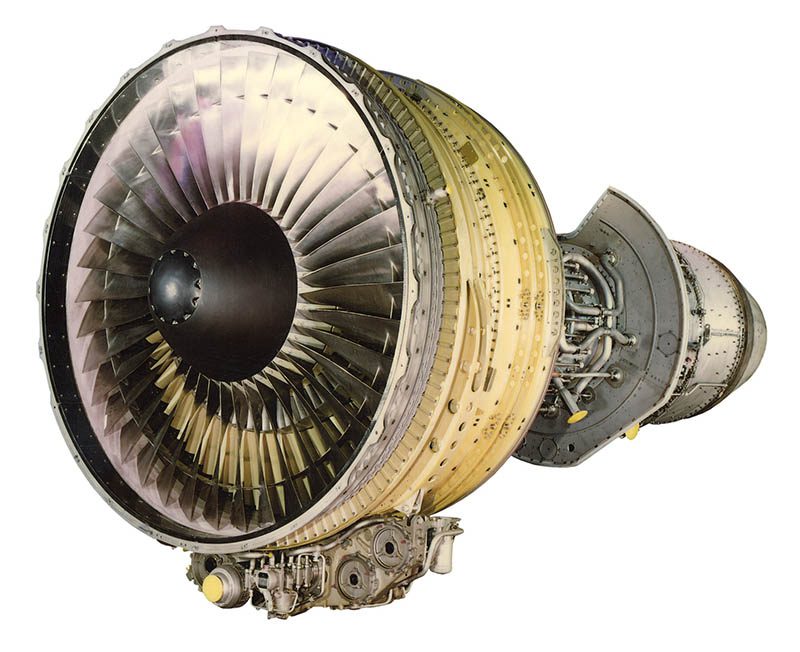
As of June 2021, all CF6-6 engines, the original CF6 engine variant, are officially retired. These are some of GE Aviation’s oldest operating commercial jet engines, one of which had reached more than 49 years and 6 months of service before its final flight. FedEx retired its fleet of long-running CF6-6D engines installed on McDonnell Douglas DC-10-10F aircraft. All CF6-6 engine models entered service on passenger airplanes before they were repurposed for cargo operations.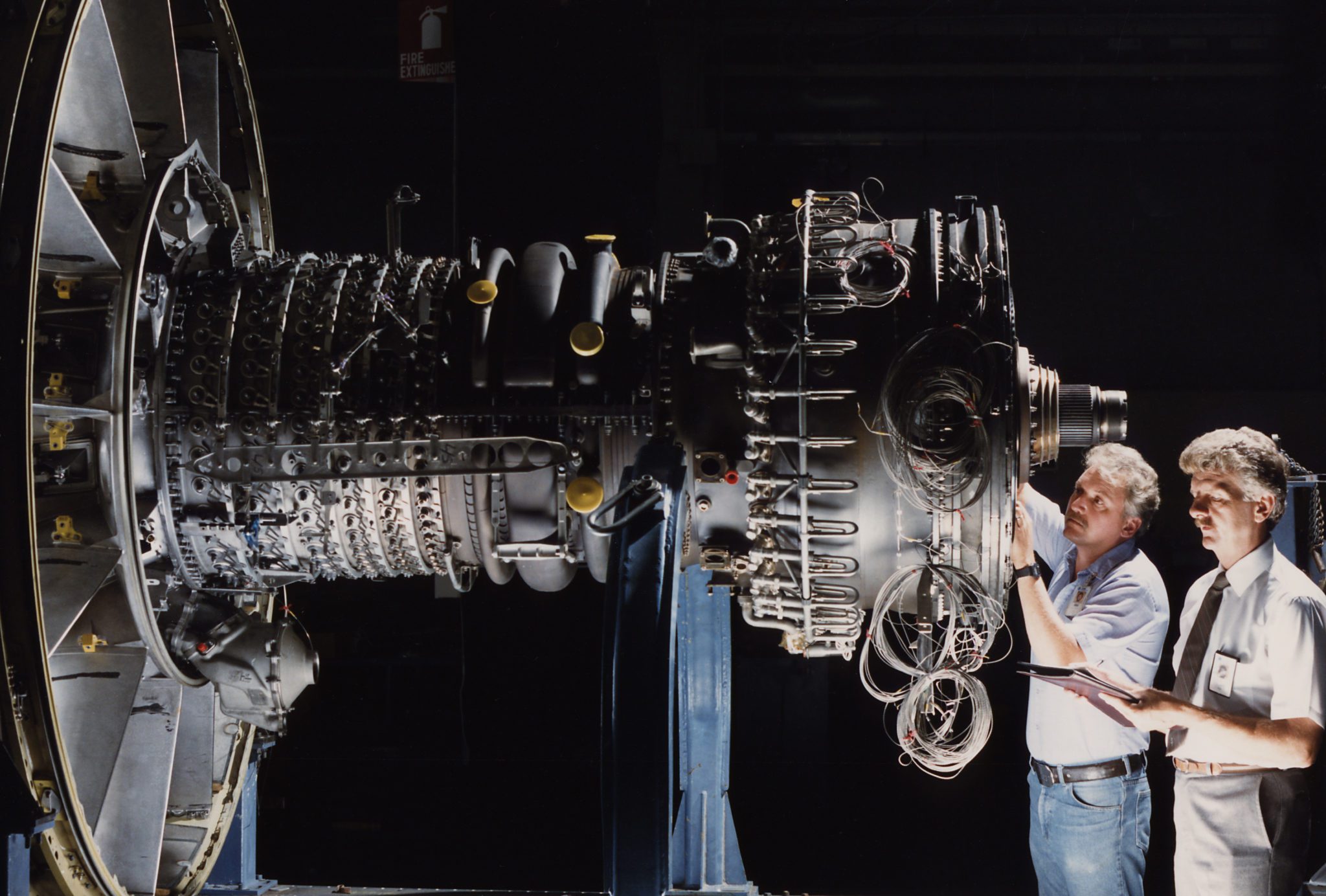
In August 2021, the CF6 engine family marks 50 years of revenue service. It has one of the longest production runs in commercial aviation. Since 1971, more than 8,500 CF6 engines have been delivered.
See other posts
GE Aerospace is a world-leading provider of jet and turboprop engines, as well as integrated systems for commercial, military, business and general aviation aircraft.