GE Aerospace Component Repair Singapore
2,200+GE Aerospace employs more than 2,200 people in Singapore, creating significant local employment opportunities.
Singapore facility is currently responsible for more than 60% of GE Aerospace’s global repair volume.
45 Years of Transformation
From a local component repair operation to an advance aerospace hub, discover how our Singapore team has continuously transformed to meet the evolving needs of flight.
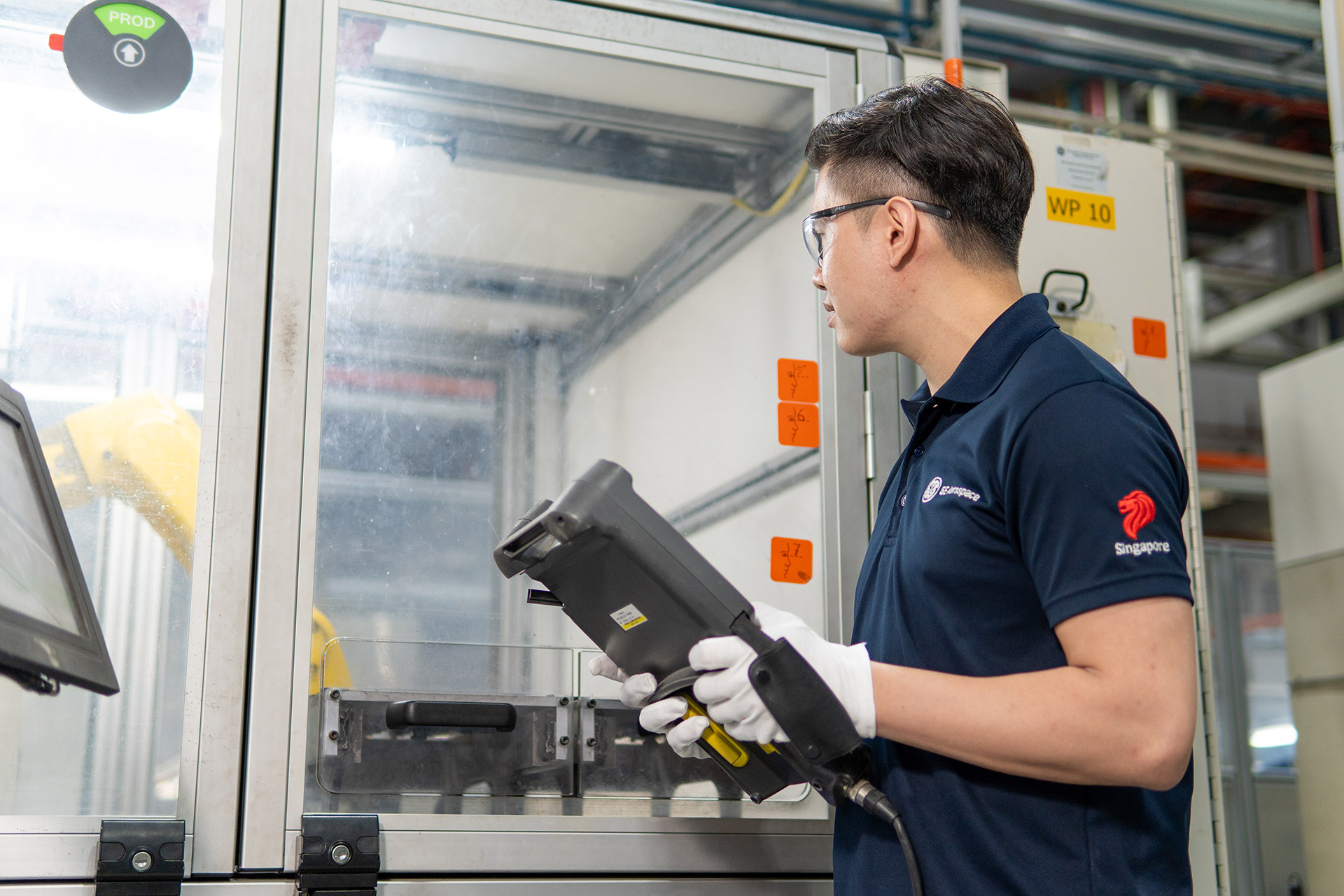
Inside our operations
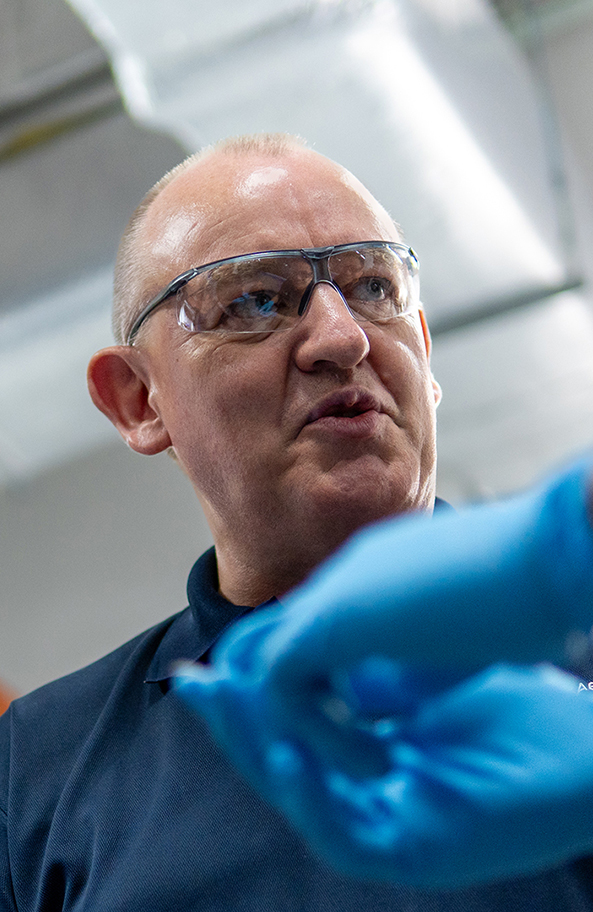
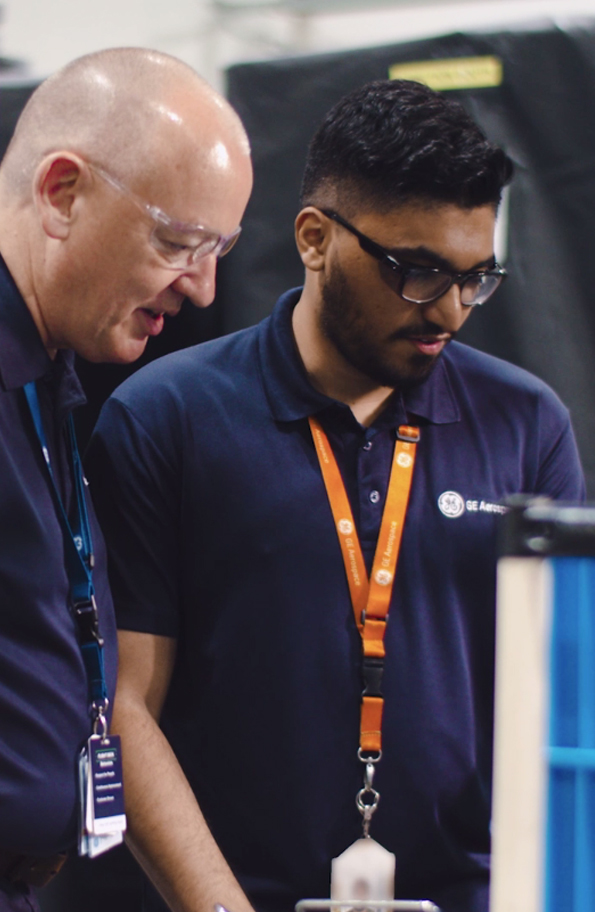
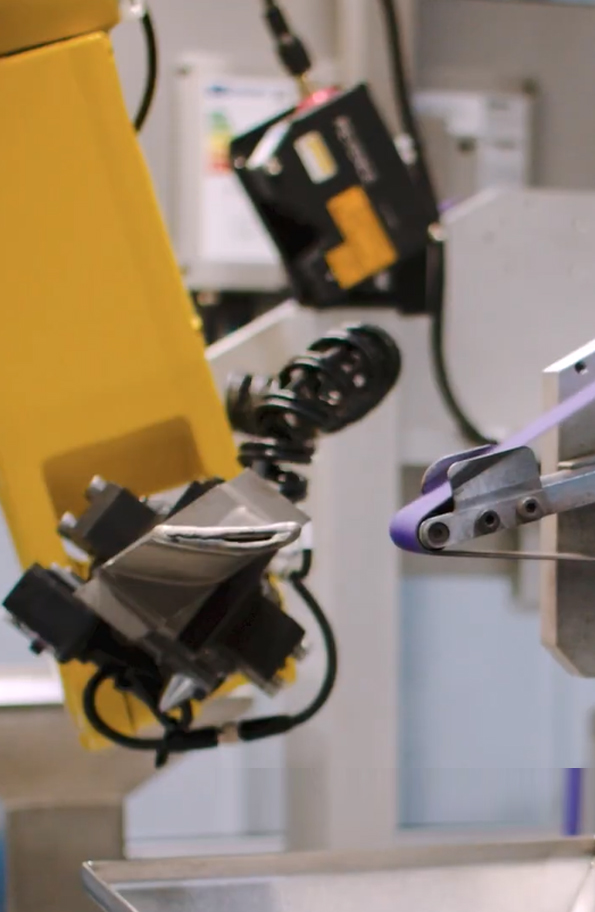
A track record of investment, built to last. Since 2024, GE Aerospace has committed hundreds of millions of dollars to strengthen its Component Repair operations in Singapore – expanding capabilities, adopting advanced technologies, and scaling capacity to meet growing regional demand.
2026
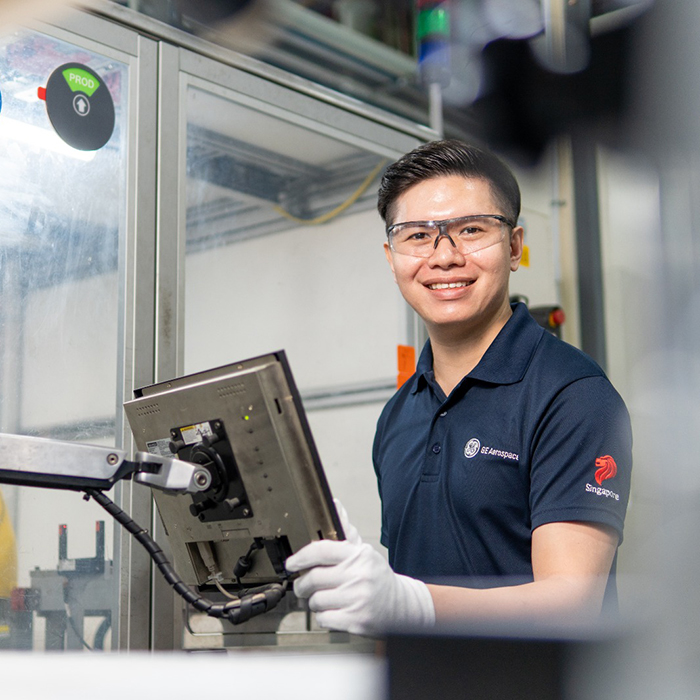
2025
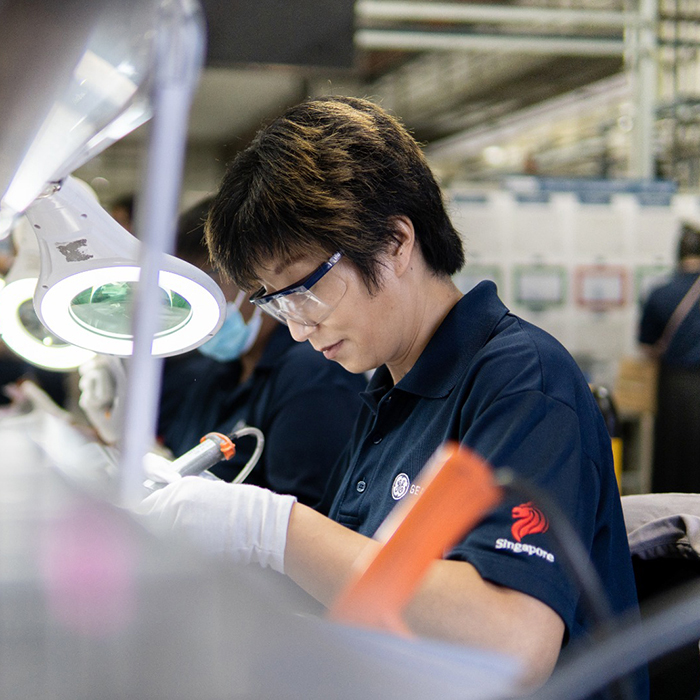
2024
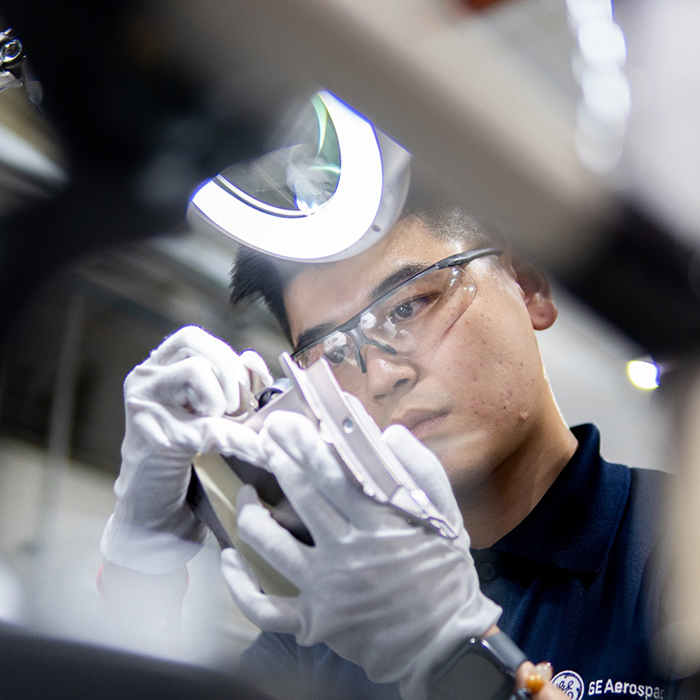
2024
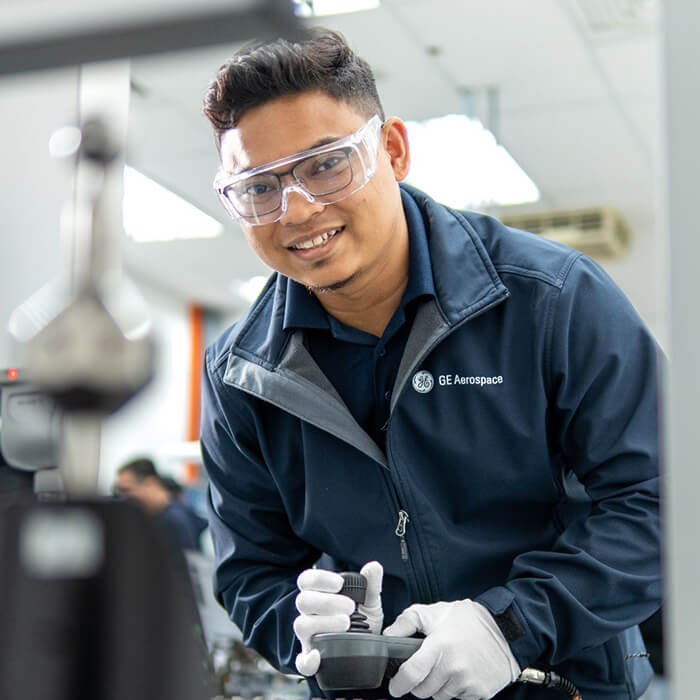
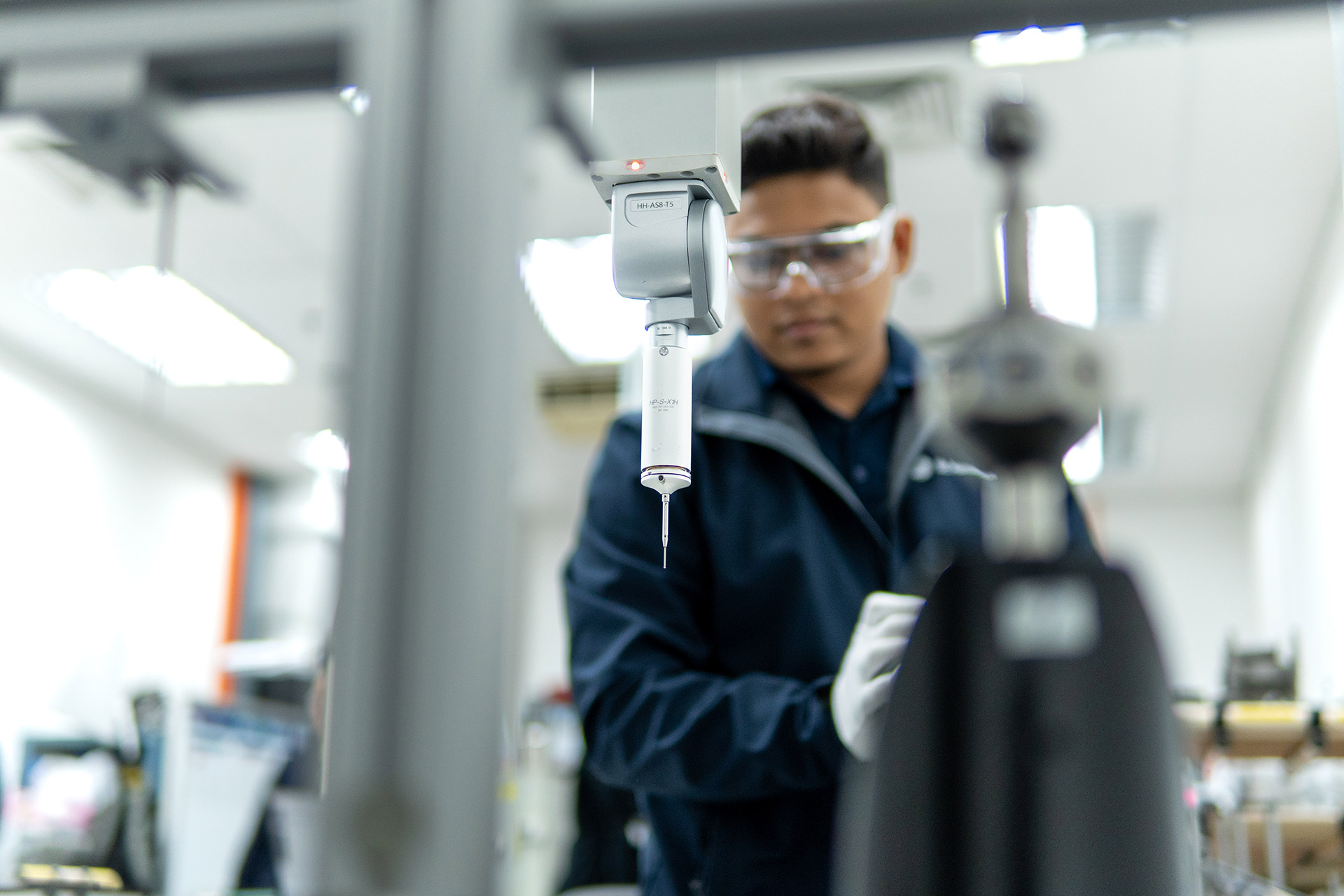
Leading aerospace innovation in Singapore
Currently, the site repairs all GE Aerospace and CFM International commercial jet engine components, including turbine blades, turbine nozzles, high pressure compressor blades and vanes, and combustors. Its engine component repair portfolio covers the GE90, GE9X, GEnx, CFM LEAP, CF6, CFM56, CF34, LM2500, and LM6000.
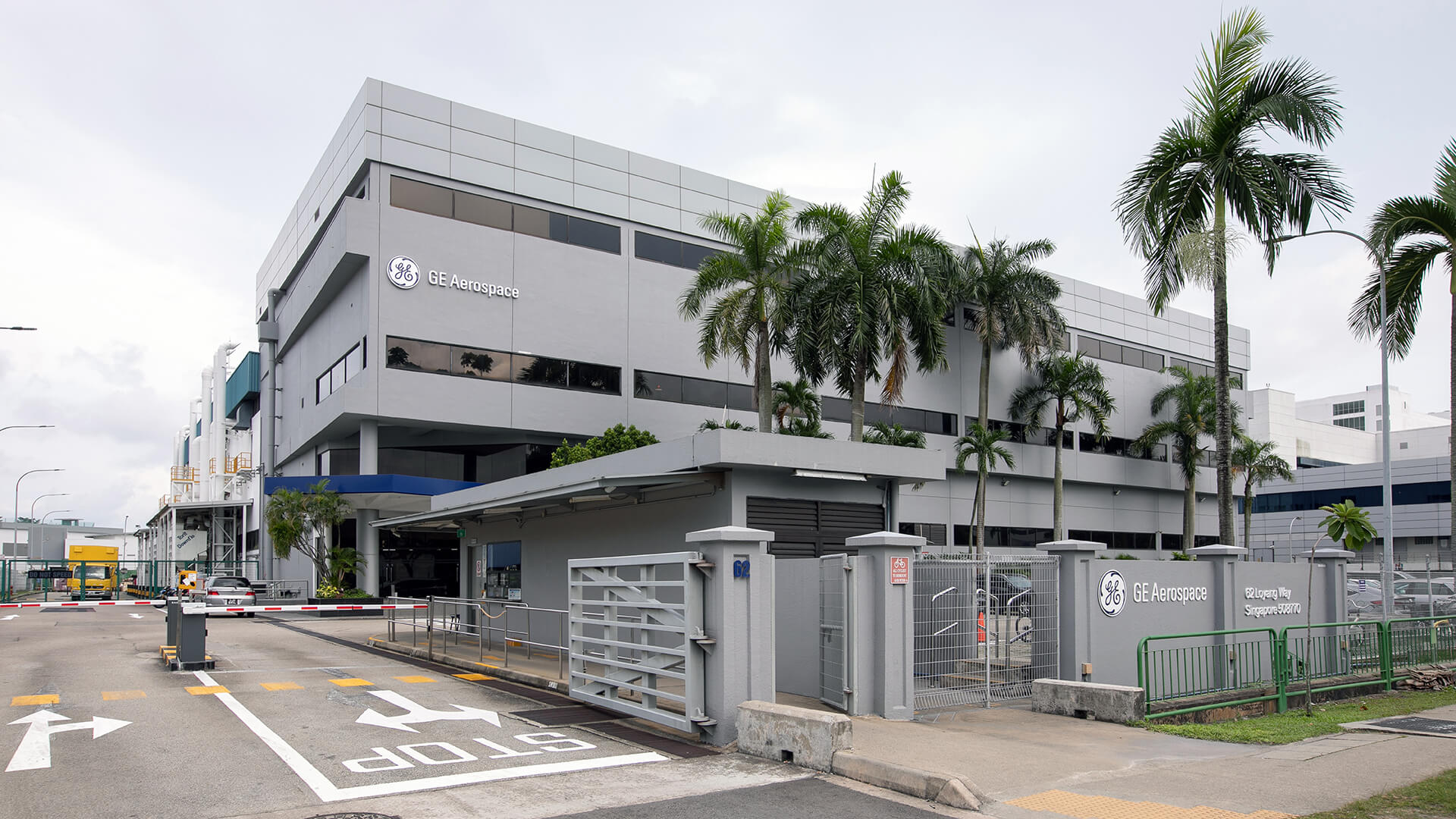
GE Aerospace Component Repair Singapore operates across three locations in Singapore: two Engine Component Repair facilities in Loyang and a New Make plant in Seletar Aerospace Park. Co-located within the two repair facilities are an Automation & Robotics Center, Lean Lab, and Advanced Technology Center for developing leading-edge repair capabilities.
354,000 square feet
Service: Repair turbine blades, turbine nozzles, combustors, and large components
138,000 square feet
Service: Repair compressor blades and compressor vanes
64,000 square feet
Service: Produce high pressure compressor components*
*Including high pressure compressor vane sectors for the GE90 and GE9X engines
GE Aerospace Component Repair Singapore is proud to be the first MRO facility worldwide to pioneer the use of additive technology in repairing jet engine components.
Applying this advance technology in the engine repair process doubles the number of jet engine parts repaired daily, shortening turnaround times, and allowing customers to return their aircraft to the skies more quickly. Additive processes are 60% faster, have a 40% smaller footprint, and need 50% less post-processing.
This technology was co-developed by local engineers, alongside their peers at GE Aerospace Additive Manufacturing Technology Centers around the world.