Article
Built on Trust: How India’s Aviation Ecosystem Is Taking Shape
November 25, 2026 | by GE Aerospace Staff
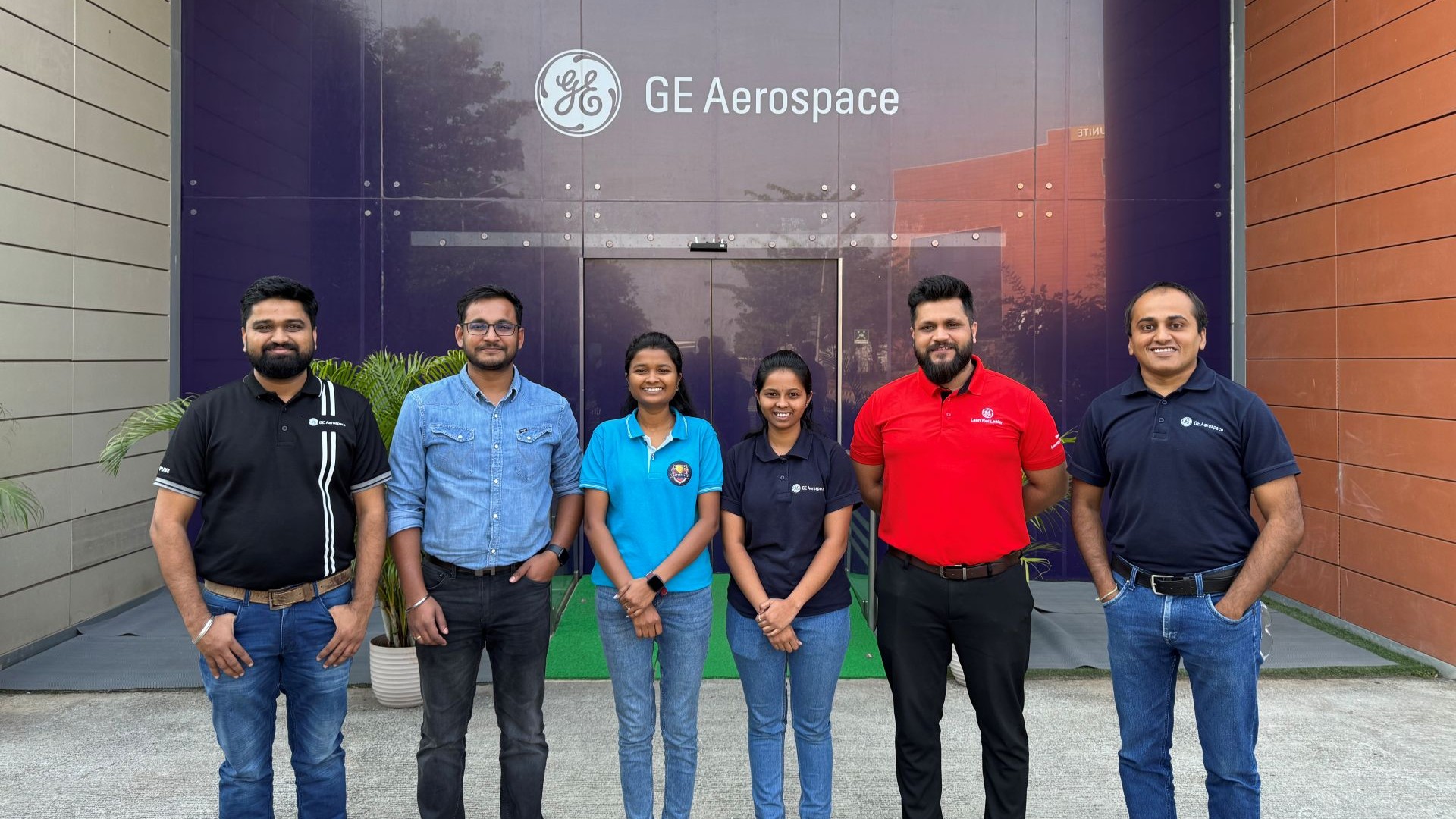
Today, Raghu Vamsi Machine Tools powers a global footprint of more than 200 computer numerical control (CNC) machines spread across six manufacturing sites in India, three in the U.K., and one in the U.S. It is hard to picture where it started: one young man, 22 years old, inheriting a workforce of 10 and a factory still taking shape.
Progress and trust, it turns out, move together.
In 2013, Vamsi Vikas Ganesula, Raghu Vamsi’s managing director, received his first order from GE Aerospace. What followed was not just a new revenue line. GE Aerospace’s team helped design the factory layout. They brought Raghu Vamsi’s people into their compliance and quality framework. They shared FLIGHT DECK, the lean operating model that GE Aerospace uses to build continuous improvement culture across its operations.
“The most expensive part in aerospace — a lot of people say it’s titanium, some say it’s Inconel,” said Ganesula at GE Aerospace’s India Taking Flight event in Gurugram on October 12, 2026. “But the most important, the costliest thing, is actually trust. You can’t buy it, you can’t import it. You have to build it day by day.”
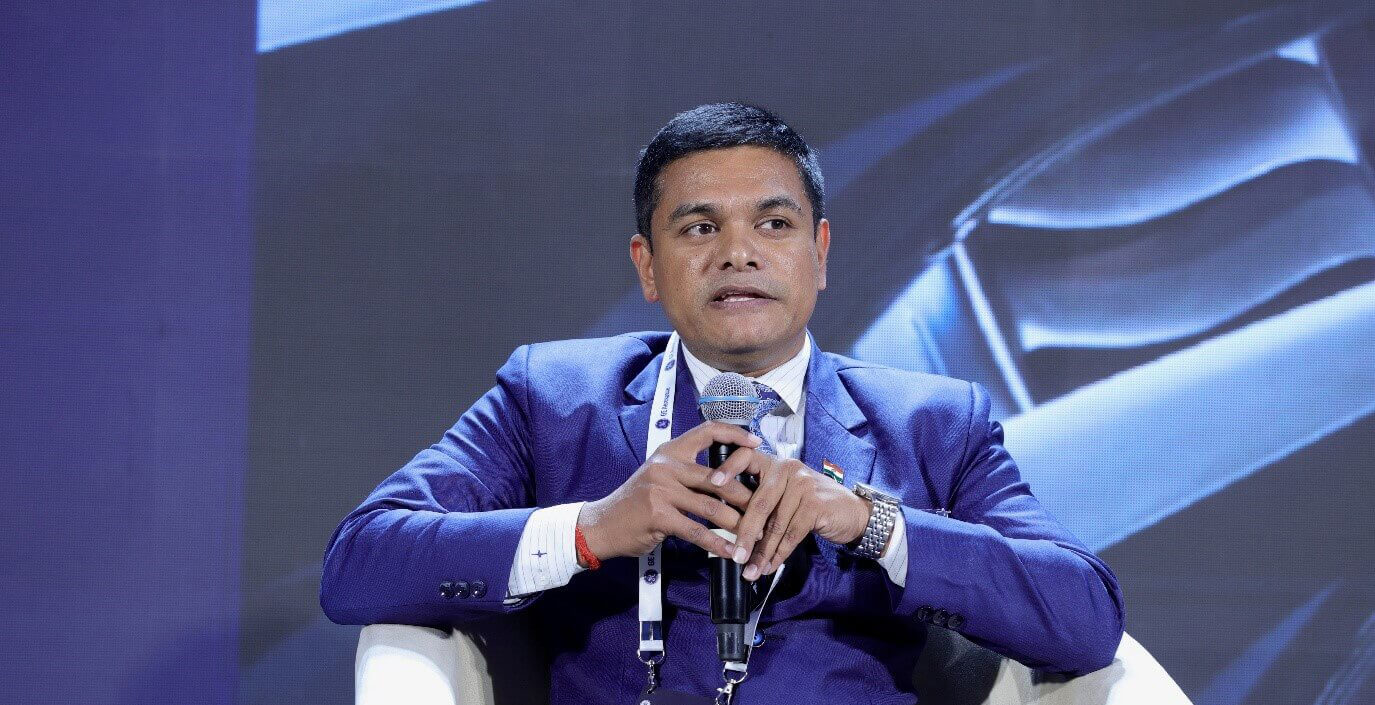
What he was describing — a relationship built on time, trust, knowledge transfer, and shared standards — is what GE Aerospace has been doing in India for more than four decades. And at India Taking Flight, where senior leaders from Air India, IndiGo, Akasa Air, Hindustan Aeronautics Limited (HAL), Tata Advanced Systems, and Invest India gathered to examine the path to Viksit Bharat 2047*, the same sentiment kept surfacing across every panel: India has the scale, the demand, and the engineering talent. What its aviation ecosystem needs now is more partnerships built in the same way as this one.
The event marked the launch of Powering Progress: GE Aerospace’s Economic Impact in India, a first-of-its-kind report compiled by Ernst & Young (EY), tracing four decades of GE Aerospace’s contributions to India’s commercial aviation, defense, manufacturing, and engineering sectors.
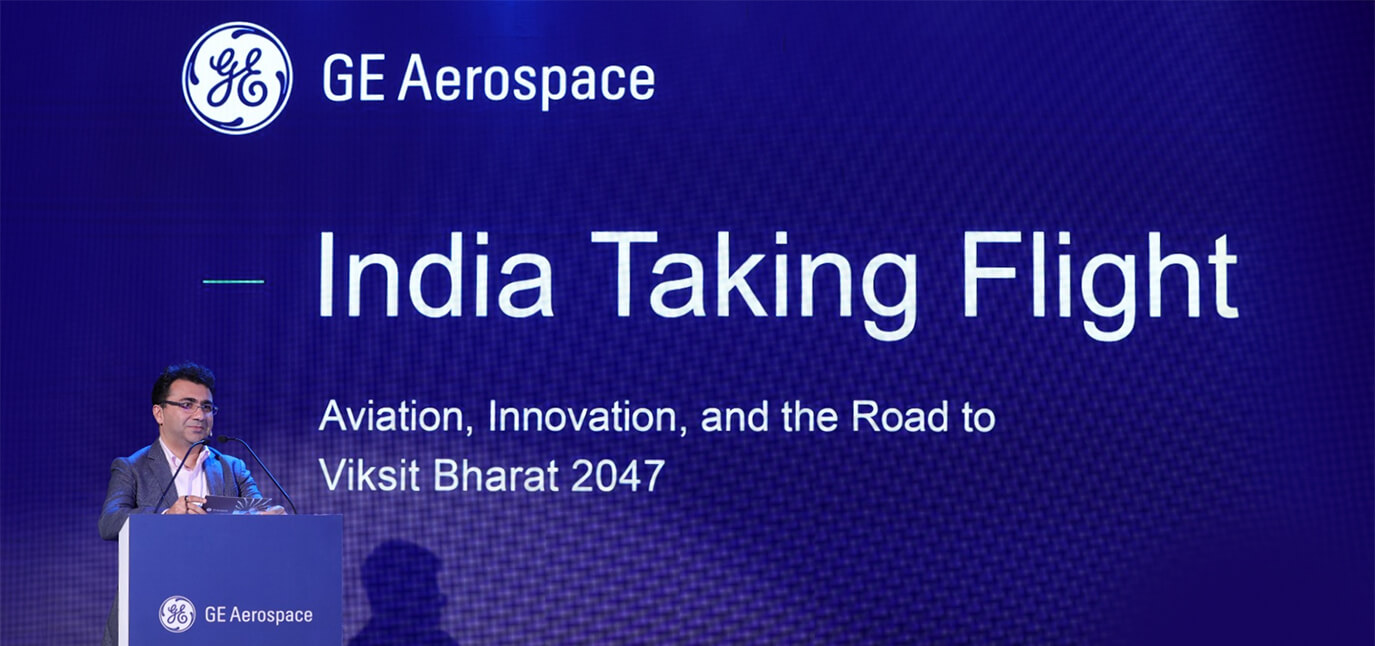
“India’s commercial aviation growth is one of the fastest in the world, and today’s report shows that our commitment here goes far beyond selling engines,” said Vikram Rai, GE Aerospace’s CEO for South Asia. “It’s in the components machined in Pune, the innovation in Bengaluru, and our trusted customers, who are building the next generation of India’s aerospace industry. As India works towards its Viksit Bharat ambitions, doubling our spend to grow the supply chain ecosystem will help meet the growing demand.”
What This Growth Requires
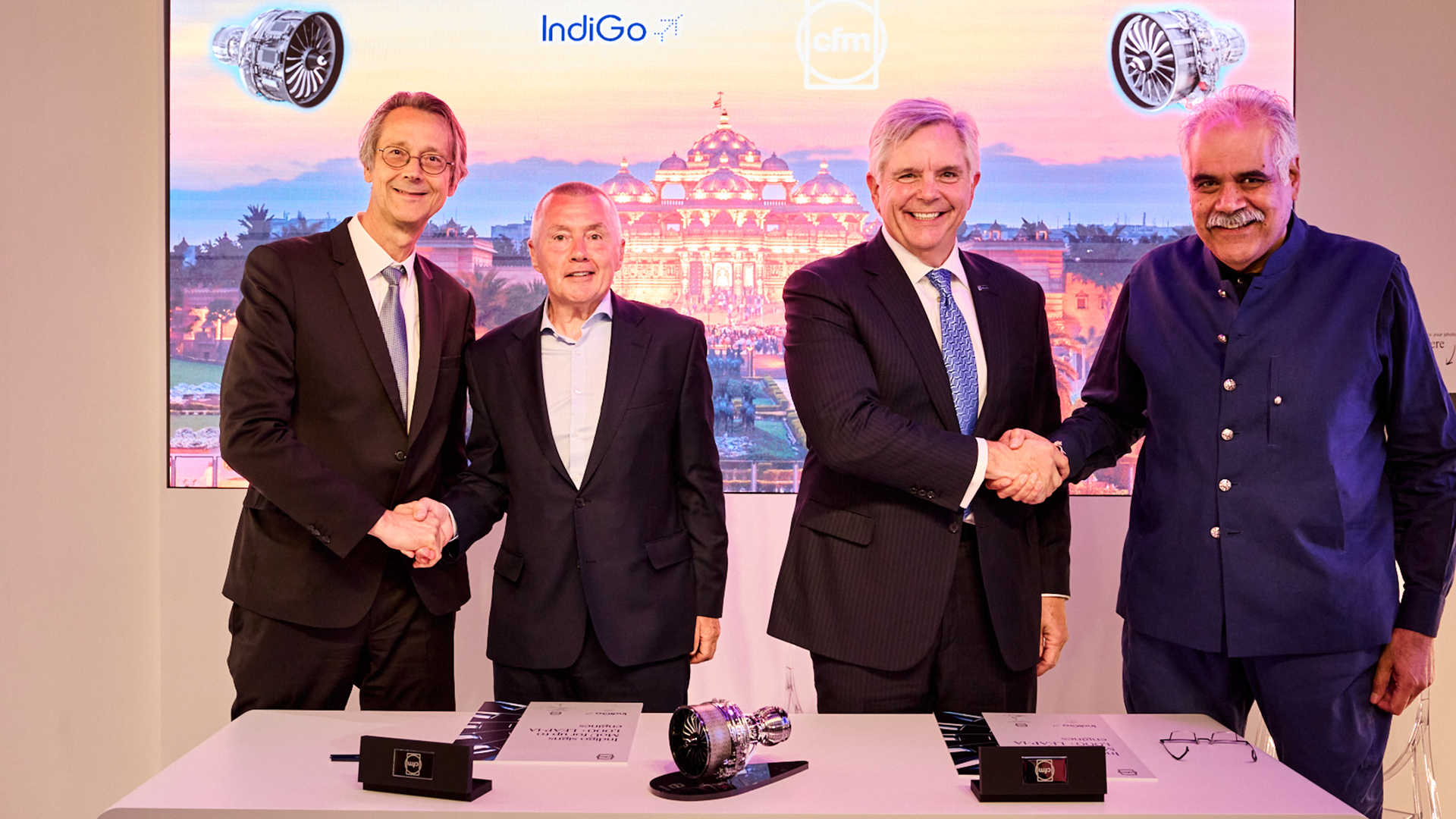
India’s aviation numbers are exceptional by any measure. Carriers here already post the world’s highest passenger load factor, at 88.2%, with aircraft flying 12 to 14 hours a day. There are over 3,200 GE Aerospace and CFM International† engines on order by Indian carriers. A maintenance, repair, and overhaul opportunity worth more than US$5.5 billion is forming alongside that fleet. The people running these airlines, including Aloke Singh, chief strategy officer at IndiGo; Nipun Aggarwal, chief commercial officer at Air India; and Priya Mehra, chief of governance and strategic acquisitions at Akasa Air, know these numbers by heart. What they talked about at India Taking Flight was something harder to quantify.
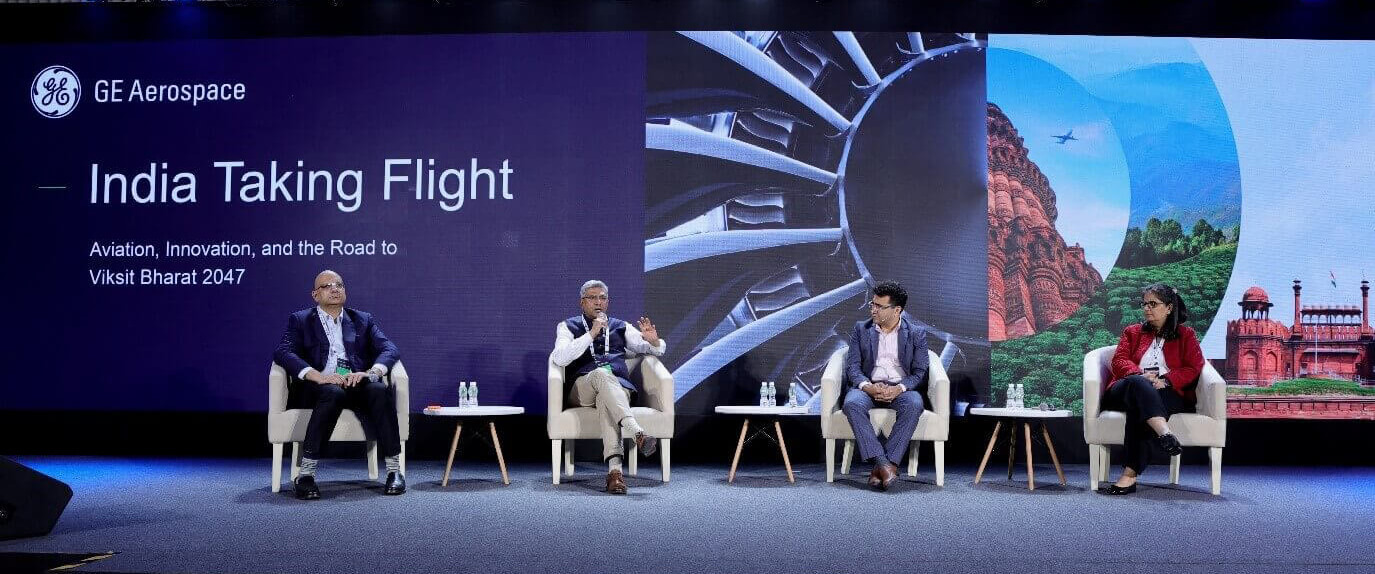
“There are not many markets in the world which are both big and growing,” said Singh. “That’s an unprecedented upside that India has.”
Aggarwal put the scale of that opportunity into perspective. “If we can provide adequate widebody connectivity to the world,” he said, “then I think the sky is the limit. There is a huge potential for growth.”
Mehra drew the link between fleet growth and partnership. “You build and deliver on scale and efficiency only when you have that partnership with the OEM,” she said, “and the OEM is looking at India and seeing the challenges of growth here differently.”
The opportunity, all three agreed, is not the question. The question is: How will India build the ecosystem to capture it?
When Engineering Leadership Drives Innovation
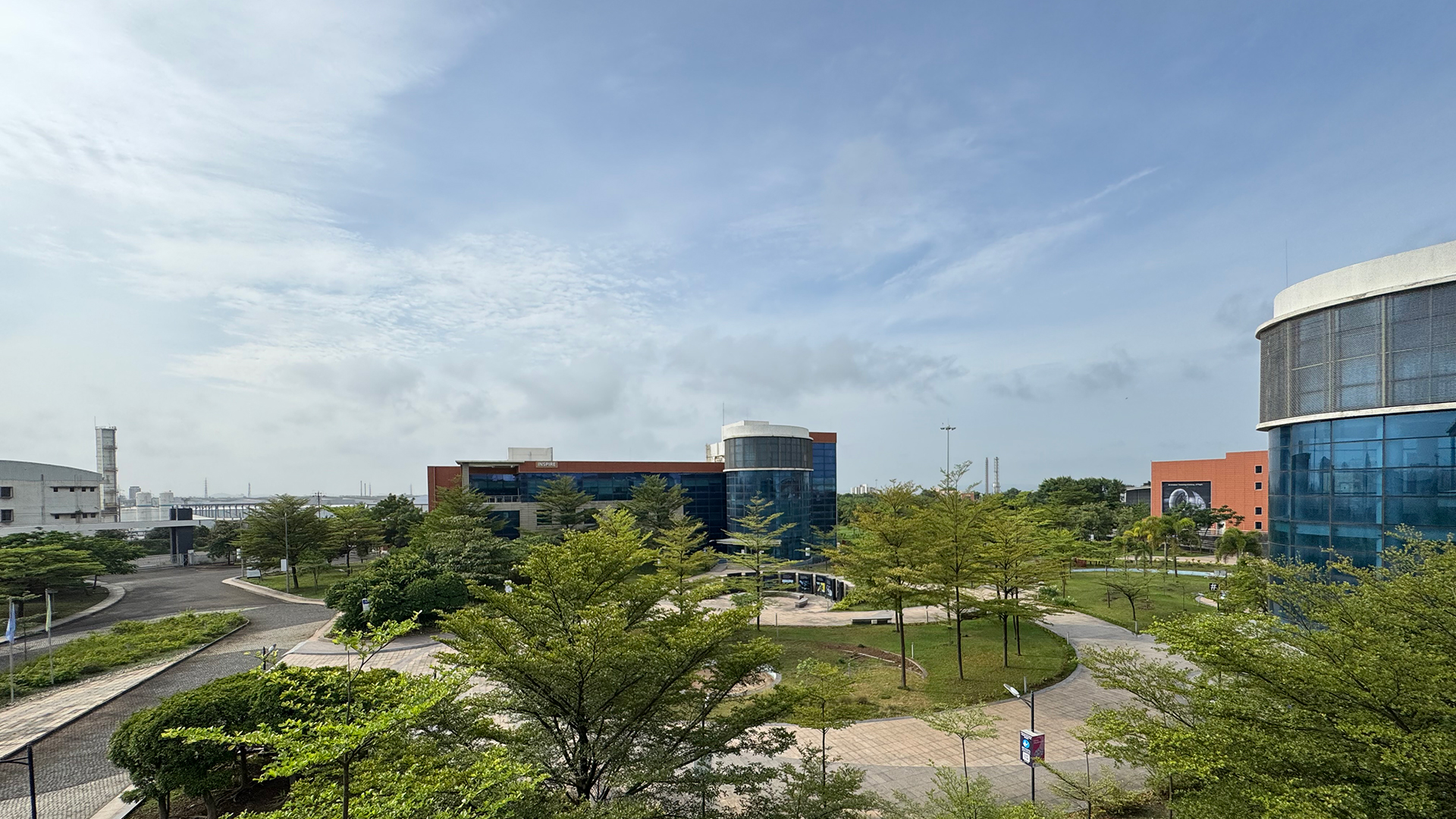
GE Aerospace’s research center in Bengaluru is one of the largest integrated research, engineering, and digital technology centers outside the United States — and one of only two research centers for GE Aerospace globally. The center’s contribution to aviation technology innovation is reflected in more than 1,000 patents over the past 26 years.
“The crux lies in having key contributions throughout the life cycle of the product,” said Shilpa Gupta, GE Aerospace’s chief technology officer for India. “That’s where the innovation and all the thousand patents that have come out of the Bengaluru center speak volumes.”
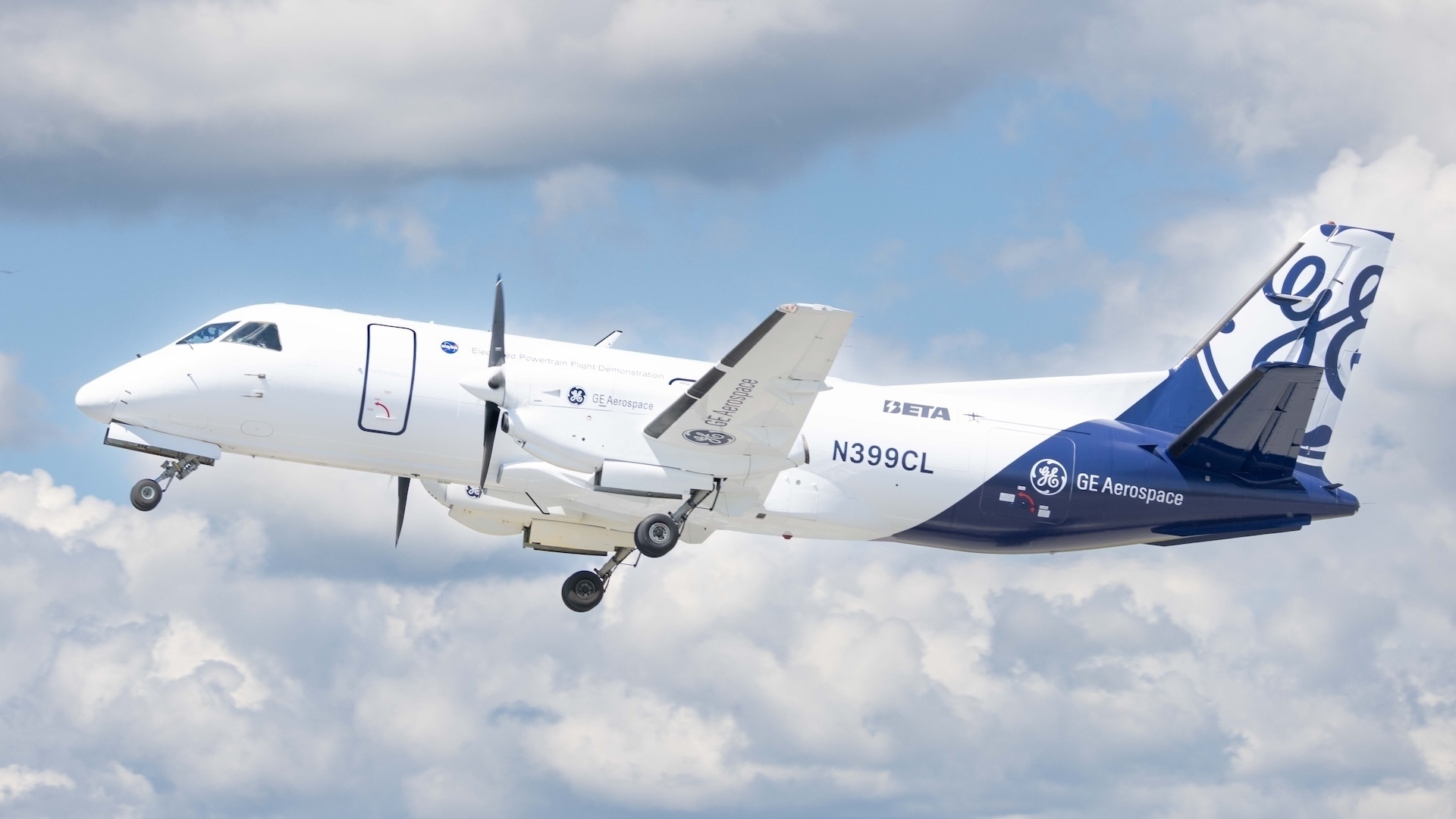
The center’s engineers have contributed to the LEAP,‡ GE90, and GEnx engines during design, testing, and certification across various engineering disciplines. The GE9X, the world’s most powerful jet engine, stands among the center’s most significant contributions. Earlier this year, the Bengaluru team contributed to the world’s first hybrid electric flight demonstration above 30,000 feet with expertise in power electronics, high-power-density converters, and control systems. “Electronics behave very differently at that altitude,” Gupta said. “It was a big moment in our history when we demonstrated that.”
That milestone feeds into the CFM RISE§ program, which targets a 20% improvement in fuel efficiency over today’s engines. What made this possible was a partnership built on genuine engineering collaboration, the difference between executing for a customer and innovating alongside one.
What Takes Years to Transfer
GE Aerospace currently works with more than 2,000 suppliers across India, 17 of which have developed the capability to participate in the global supply chain. At India Taking Flight, the company announced plans to nearly double its in-country supplier spend from approximately US$200 million in 2025, an ambition that depends on more suppliers making the journey Raghu Vamsi has made.
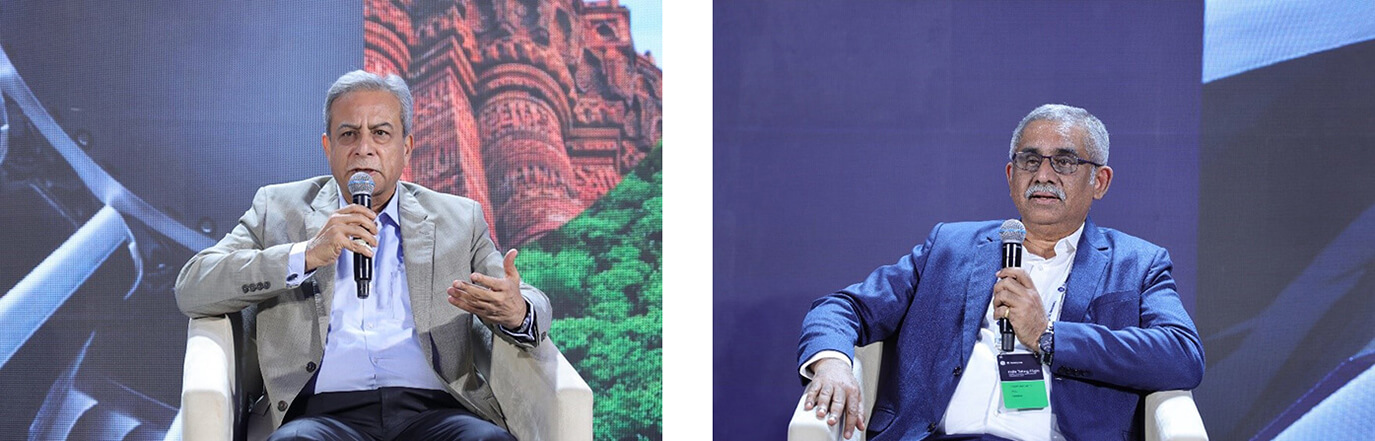
Banmali Agrawala, chairman of Tata Advanced Systems Limited, identified what enables that journey. “If you have scale, the rest of the supply chain kind of falls into place.” But scale, in the Tata–GE Aerospace relationship, came from something that had to be earned first.
“It is based on trust. It is based on a genuine recognition of the fact that know-how and technology do need to come into India,” Agrawala said. “And therefore, it’s a win-win for both the countries and for both the companies.”
Jayakrishnan S., CEO of HAL’s Bengaluru Complex, described the shift from the other side of the table. The GE Aerospace–HAL relationship began as supplier and customer. “Now we are taking it to the next phase, a collaborative approach for internally developing and manufacturing — transferring the technology for in-house manufacturing.”
The mechanism for that transfer, across GE Aerospace’s wider supplier network, is FLIGHT DECK, the lean operating system that extends not just tools but behaviors: customer mindset, continuous improvement, a culture where people are empowered to speak up. It is the culture of the partnership made operational. Ganesula is building a dedicated FLIGHT DECK control room in Raghu Vamsi’s new Hyderabad factory.
The Long-Term Investment
The GE Aerospace manufacturing facility in Pune opened in 2015 with a US$200 million investment. Since 2024, a further US$55 million has been invested in automation, new technologies and expanded capabilities. In May 2026, GE Aerospace committed another US$10 million to expand the facility, reinforcing its long-term commitment to India’s manufacturing ecosystem. These investments are visible in the machinery, technology, and expanded floor space. Less visible, but just as important, is the investment in people.
More than 5,000 production associates have completed the facility’s apprenticeship program over the past decade, training in precision machining, advanced aerospace welding, and the special processes specific to engine component manufacture. Between 400 and 500 new recruits join each year.
“It’s not about just scaling,” said Vishwajit Singh, managing director of the Pune facility, “but going into a deeper relationship with suppliers — transferring know-how, and helping in quality and process certifications and accreditations. That is what has differentiated us.”
Close to 50% of the components the Pune facility needs can now be sourced from within India. That number took a decade of supplier relationships to build — relationships defined by the depth of the partnership behind it.
Singh’s view of the decade ahead spells out what that talent pipeline is ultimately building toward. “The next 10 years will be about moving from ‘Make in India’ to ‘Create in India,’ to ‘Engineer in India.’”
GE Aerospace engines around the world carry components made in India. That is the result of four decades of partnerships that invested in the relationship as much as in the results — in the design of factories, the transfer of standards, the building of culture, and the development of talent that will take it further still.
That is what Powering Progress captures: the logic of how the economic footprint was created. And it is what India’s aviation ecosystem will need more of as the next chapter takes shape.
To read the full report, download Powering Progress: GE Aerospace’s Economic Impact in India at geaerospace.com/india-taking-flight-2026.
*Viksit Bharat 2047 (Hindi for “Developed India 2047”) is the Government of India’s long-term vision and roadmap to transform India into a developed, high-income nation by 2047, marking the 100th anniversary of its independence.
†CFM International is a 50-50 joint company between GE Aerospace and Safran Aircraft Engines.
‡ LEAP engines are a product of CFM International.
§ RISE (Revolutionary Innovation for Sustainable Engines) is a technology demonstration program of CFM International. It is not a product offered for commercial sale.
See other posts
GE Aerospace is a world-leading provider of jet and turboprop engines, as well as integrated systems for commercial, military, business and general aviation aircraft.