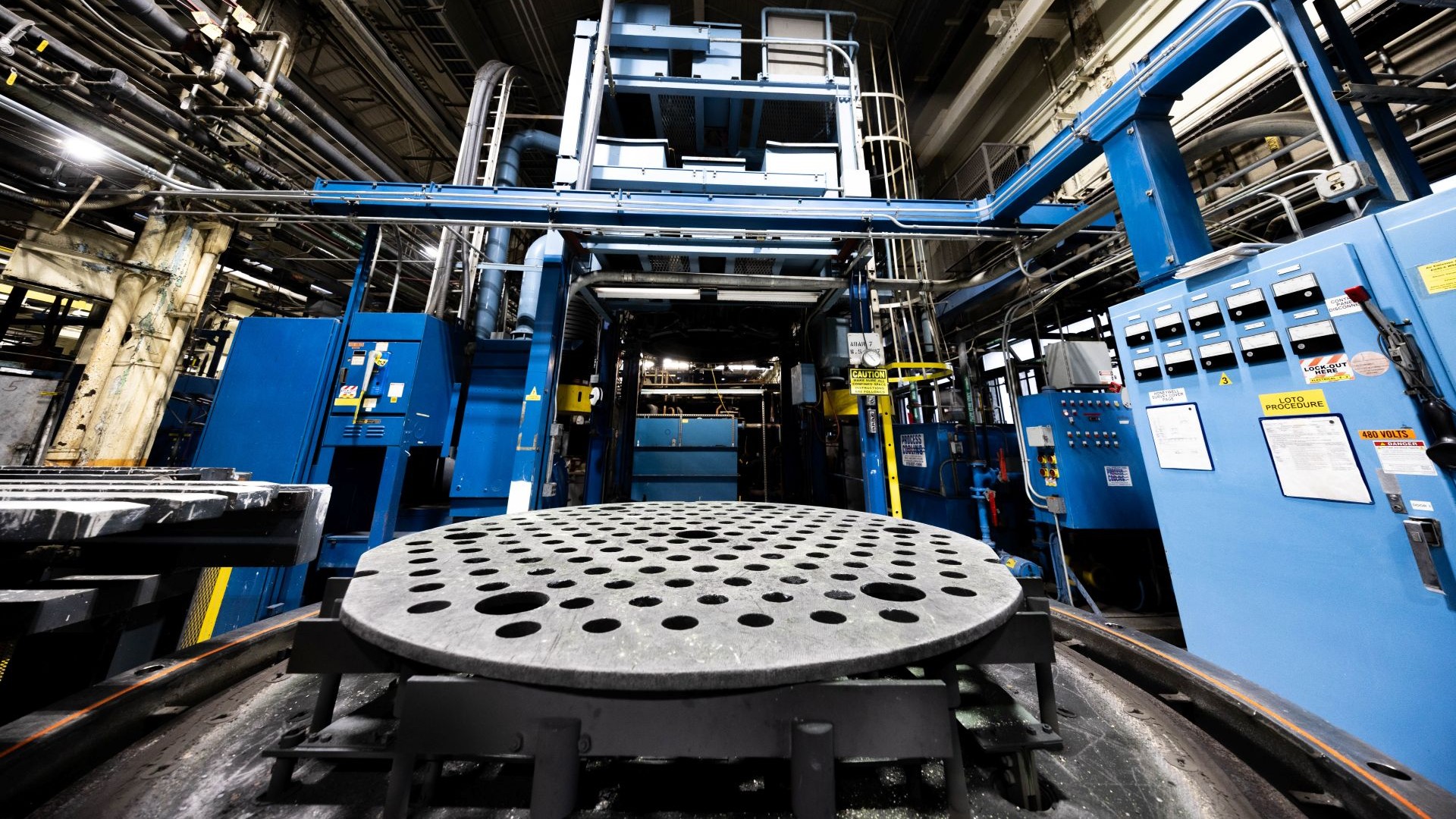
This “heat-treat” oven at the Lynn Component Manufacturing campus is used to braze or alter the properties of metal parts. Some treatment processes can take up to 21 hours. Images credit: GE Aerospace.
Article
A Lean, Clean, Heat-Treating Machine: FLIGHT DECK Helps Lynn Root Out Problems and Solve Them
August 10, 2026 | by Chris Norris
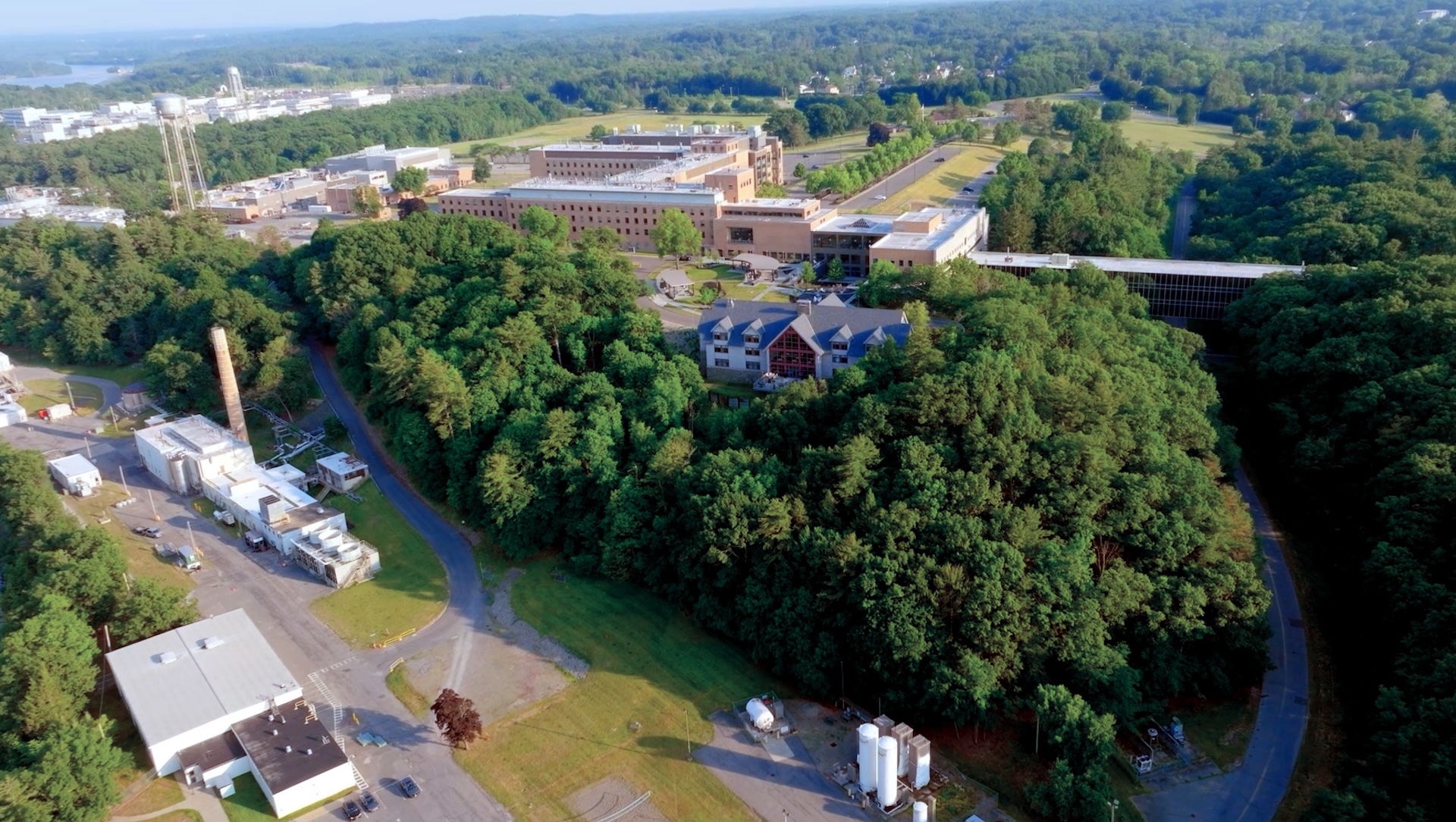
A large steel-alloy inverted half dome descends from the ceiling in Plant 2 on the Lynn Component Manufacturing (LCM) campus — one of 10 ovens that treat parts made at GE Aerospace’s sprawling complex in Lynn, Massachusetts.
It’s imposing, massive, and enduring.
This particular “heat-treat” oven generates vacuum heat up to 2,400 degrees Fahrenheit to braze or alter the properties of metal parts so that they can withstand the intense heat inside a jet engine. A critical piece of equipment supporting multiple production lines in Lynn, the heat-treat oven has been a key process step for decades. Its operators have had to manage idiosyncrasies that sometimes led to unplanned downtime, jeopardizing on-time delivery of critical components for defense engines produced at the site.
That is, until earlier this year, when a cross-functional team at Lynn staged a kaizen built around total productive management (TPM), preventive maintenance (PM), and operator-performed maintenance (OPM) on the massive oven.
TPM is aligned with FLIGHT DECK, the company’s proprietary lean operating model, and it’s focused on improving equipment and process effectiveness through proactive ownership, loss elimination, and continuous improvement. The team chose to focus on the Lynn Plant 2 (LP2) heat-treat oven because a high volume of parts pass through it and any downtime caused by maintenance issues can result in delivery slowdowns. By using it as a “model cell,” the team aimed to develop a TPM standard process that they could then scale to other parts of the site. And so they set out to restore the machinery to its original specifications, reduce the need for corrective maintenance, and standardize maintenance practices and management of spare parts. After decades of intensive use, the team saw an opportunity to strengthen and sustain this key piece of equipment.
Creating Standard Work
One of the primary purposes of a kaizen event is to get everyone on the same page. In this case, that meant using the principles embodied in TPM to engage operators, engineers, and leaders in creating a safer, more reliable, and more efficient operating environment around the LP2 heat-treat oven that would better support safety, quality, delivery, and cost (SQDC). Teams are able to move from a position of reactive response to proactive management by developing new processes that make abnormalities visible, strengthen daily care, and drive structured problem-solving at the source. This is how TPM helps to reduce downtime, prevent defects, improve flow, and, most important, sustain gains over time.
A dozen people attended the weeklong kaizen in early 2026. “We created a checklist for every morning,” says Adam Baran, site leader of LCM Plant 2, standing by a large blue panel of meters, gauges, and switches that monitor and control the different zones of the heat-treat target area.
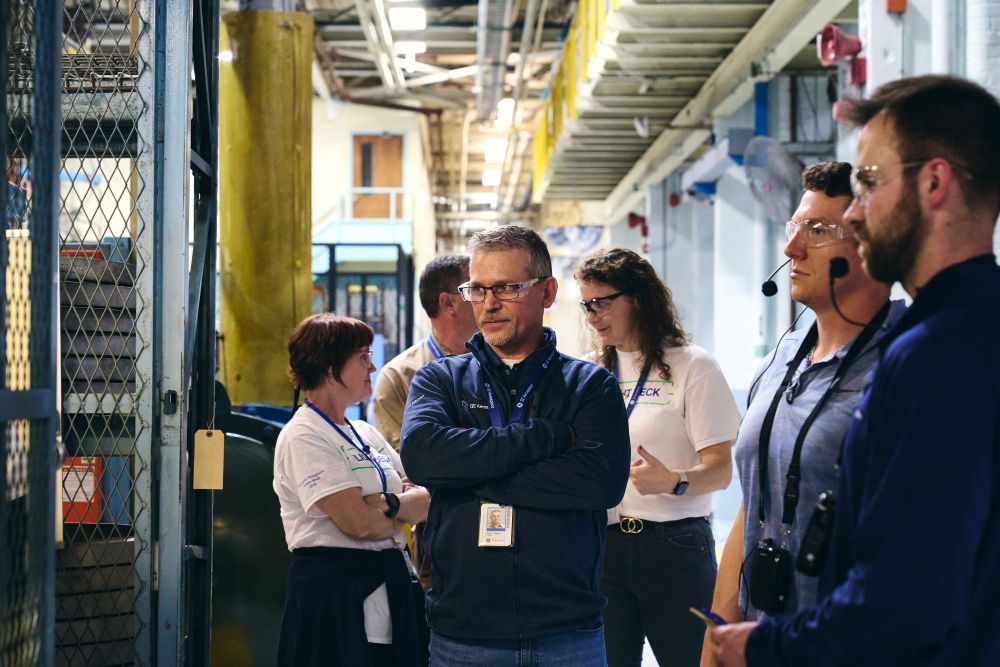
“We created standard work for doing checks, cleaning, and maintenance,” he continues. “We considered what types of parts they need to have readily available and created a standard part list so that when needed we can replace parts immediately and keep operations moving. We also developed a ‘swim lane’ process map for corrective and preventive maintenance transactions, which helped us create standardized maintenance processes for daily, weekly, monthly, and quarterly time activities.”
“Any part at Lynn that needs heat-treating goes through here, which means that a lot of people and businesses rely on the oven,” says Cam Forgitano, a cell leader in LP2. “We needed a preventive maintenance program to stay ahead of issues” — meaning, to prevent breakdowns that could lead to production delays. Standardizing maintenance and spare part management required a collaborative problem-solving approach between cell leaders and the frontline operators.
“The kaizen really brought to light how important it is to connect maintenance to operators on the floor,” says Forgitano.
Two operators, Todd Langlais and Joe Dithomas, have some 64 years at the Lynn site between them — and Dithomas, who has worked at Lynn a bit longer than Langlais, has developed something of a relationship with the heat-treat ovens.
“They’re all different personalities in a way, and you have to get used to each one,” says Dithomas, standing by a screen displaying the part’s heat-treatment parameters, referred to in cell parlance as “the recipe.” (The parts that get heat-treated in these ovens run the gamut of military and commercial engines, including the F404, F414, F110, T700, T408, and CF6.) A lot of the TPM kaizen was about documenting these recipes, which a metallurgist designs for a whole suite of processes that can take up to 21 hours. “This kaizen was an opportunity really to address everything we’ve been looking to do,” says Langlais.
LCM Plant Leader John Russell nods, pointing to Dithomas and Langlais. “These guys know the process better than we ever will. They know the questions to ask and the improvements we can make to deliver for our customers.”
Sustaining the Improvements
Langlais says bringing this firsthand experience to the kaizen had a transforming effect on his end, too. “There’s a lot of integrity in having us sit down with management and influence what’s going on,” he says. “We started prep work late last year, and every week the FLIGHT DECK team would come down and check in with us: ‘How’s it going? What do you think? Is there some better way we could do this?’”
Dithomas nods. “Just knowing that everybody’s on board really makes a big difference,” he says. “And there’s just so many improvements we’ve made already.”
And they keep coming. Following a TPM kaizen event in May focused on preventive maintenance, the team saw a dramatic jump in LP2 heat-treat compliance from about 15% to 100% — a key indicator of improved equipment discipline, stronger follow-through on preventive maintenance, and a more stable foundation for sustaining oven health and increasing reliable production capacity. Indeed, before that kaizen event, only four of the 10 ovens were considered reliable, which put a significant constraint on production capacity; since then, the team has achieved stable, repeatable performance on six ovens and is aiming to get to eight by the end of 2026, which would mark the highest number of consistently operational ovens in several years.
These process updates are already making a difference to those who work close to the ovens, as well as those who work farther downstream. Which is good, because the plan for further implementation of total productive management at Lynn is ambitious. The target for 2026 is to repeat this same approach dozens of times as the team rolls out the TPM process more broadly across the site.
“We’ve come up with some really good ideas for down the road,” Langlais adds. “It’s exciting. Now, we’re all focused on sustaining what we’ve accomplished.”
See other posts
GE Aerospace is a world-leading provider of jet and turboprop engines, as well as integrated systems for commercial, military, business and general aviation aircraft.