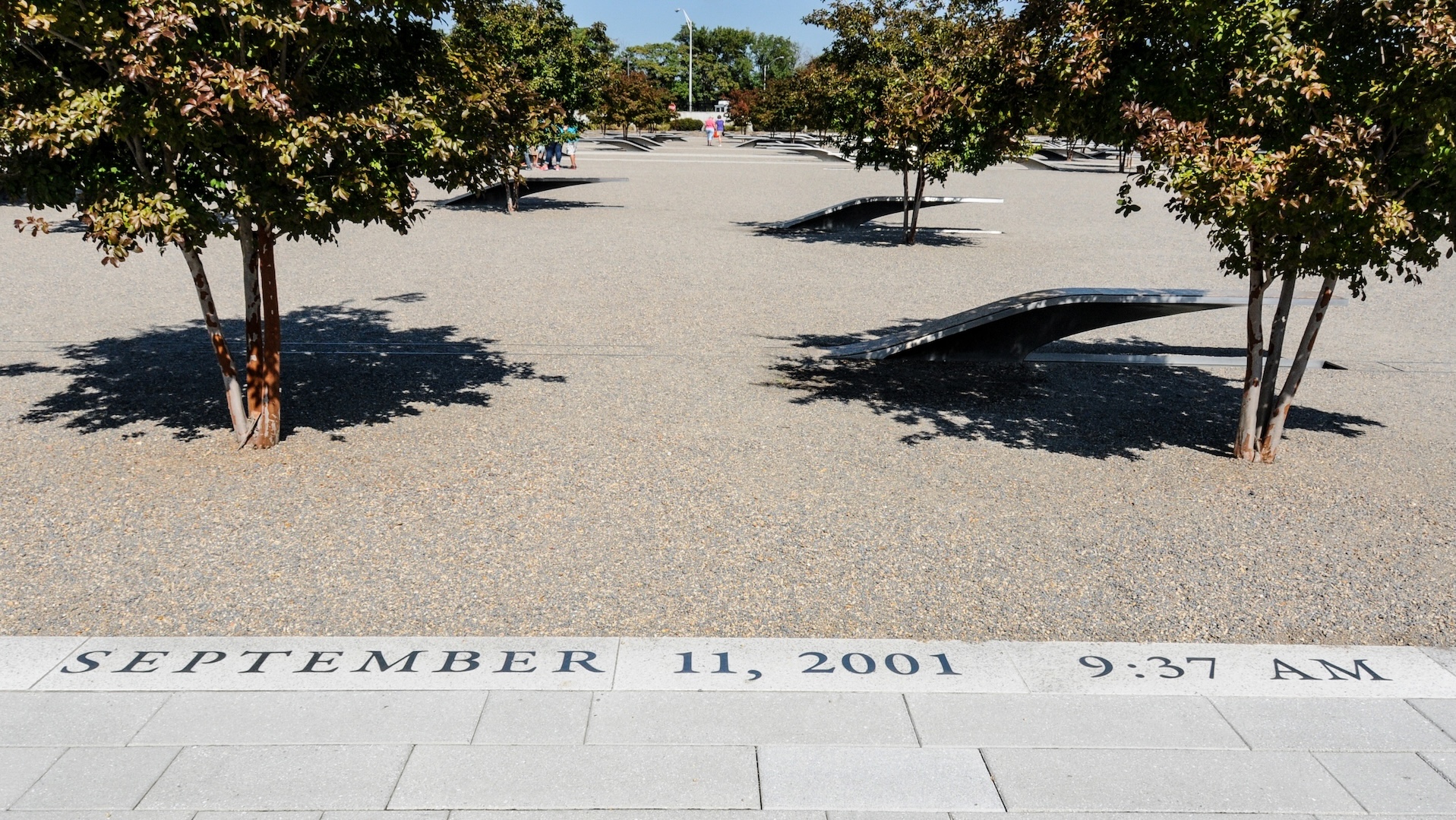
The memorial on the grounds of the Pentagon commemorates the 184 lives lost there on September 11, 2001. Image credit: Adobe Stock
Article
Two Veterans in the Pentagon on 9/11 Recall the Tragedy and Resilience of That Day
September 10, 2026 | by Jay Stowe
History can be made slowly or in the blink of an eye.
If you were one of the 25,000 people working in the Pentagon on the morning of September 11, 2001, nothing seemed out of the ordinary. The corridors of the building, a massive concrete structure built during World War II, consisting of five concentric rings, bustled with military personnel and civilians alike attending to the business of managing the world’s strongest fighting force.
Tom Climer was heading to the other side of the building from his office off Corridor 6 for a doctor’s appointment. A major in the Aviation Branch of the U.S. Army, he’d recently moved to the Pentagon after serving as a Cobra attack helicopter company commander in South Korea and an operations officer with the 82nd Airborne at Fort Bragg, North Carolina, among other postings. “I got there in July 2001, and my mother said, ‘Oh, thank God, he’s going to a nice, safe desk job now after two years in the 82nd Airborne,’” he says.
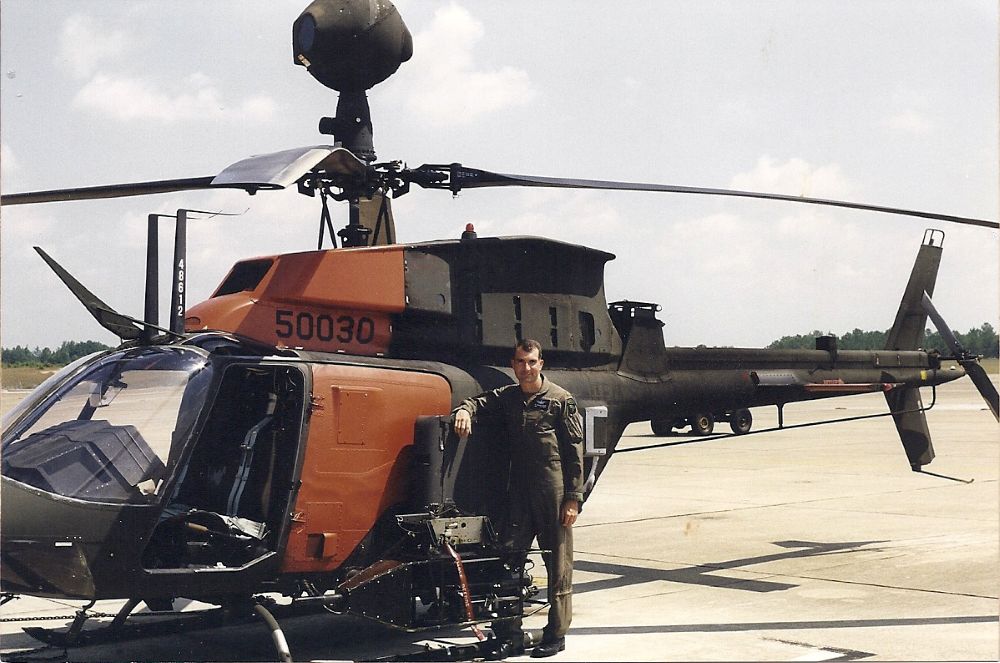
In his new position as the Black Book program manager, Climer oversaw the nominations of officers to special positions, such as executive officer to the Army chief of staff or service in the presidential office of the White House. It was called “the Black Book” because the nominees’ files were collected in a black three-ring binder before being reviewed. One of those reviewers was Lieutenant General Timothy J. Maude, who was the only general officer lost that day. “I could have easily been standing in front of General Maude’s desk that morning,” Climer recalls, “either waiting for him to sign off on one of my books or dropping one off.”
Instead, shortly before nine o’clock, he was standing in the waiting room of the Pentagon medical clinic, waiting to have his aching knee looked at — an appointment he’d been putting off for weeks. (“Aviators, we hate to see doctors because they can ground you,” he says.)
The TVs were already tuned in to the news, which was showing smoke billowing from the North Tower of the World Trade Center. Initial reports indicated that a small plane may have crashed into it. “I’m looking at it and thinking, That’s kind of weird, it’s clear blue skies,” Climer remembers.
Then, as he was watching, the second tower was hit. “And clearly you can see on the news it’s an airliner,” he says. “And I went, ‘Whoa!’ I remember turning to an Air Force brigadier general standing next to me and saying, ‘Oh, sir, that was on purpose.’ He looked at me. ‘Really? What makes you think so?’ And I’m like, ‘One crash? That’s some weird fluke. But two? That’s on purpose.’”
‘They’re Evacuating the Building — Get Out!’
At that same moment, Kirby Luke was sitting in a soundproof conference room in the offices of the J5 directorate, which oversees national military policy and global plans, in the E-ring, the outermost ring of the Pentagon. A lieutenant colonel based in South Korea at the time, Luke served as the primary action officer in charge of planning the annual meeting between the chairman of the Joint Chiefs of Staff from the Republic of Korea, the U.S. chairman of the Joint Chiefs of Staff, and the commander of U.S. Pacific Command. He and another U.S. officer and two Korean officers were mapping out the agenda for the meeting when they were told about the plane crashes in New York. After watching the news in a nearby office, they returned to the conference room to get back to work.
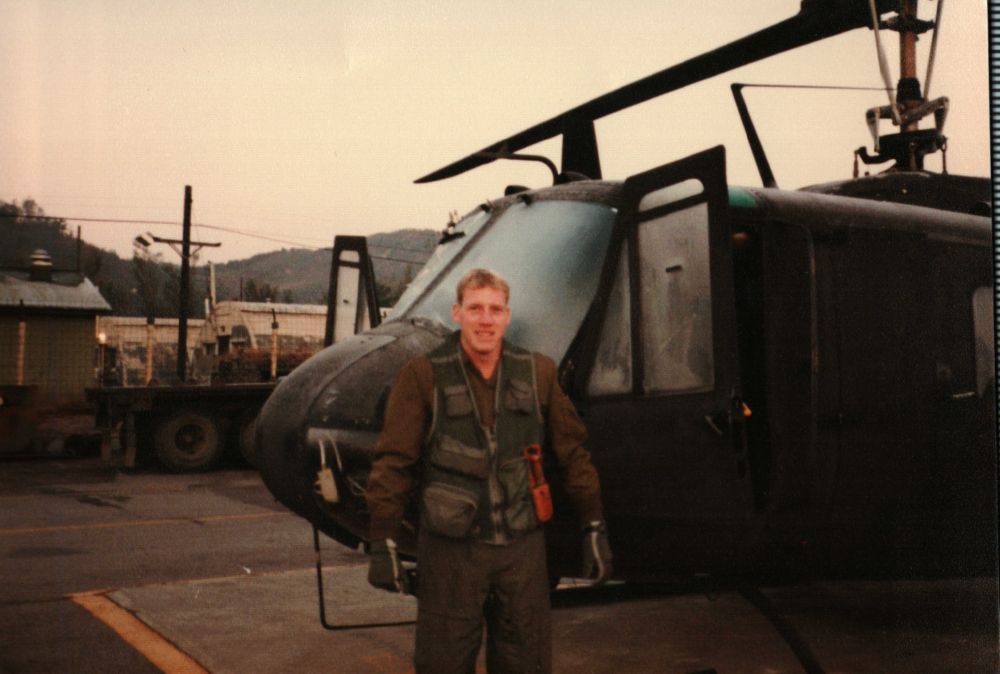
“We were inside there just conjecturing,” Luke says. “Without having the whole big picture, and no internet or phones, we were kind of putting pictures and pieces together.”
Because of the size and density of the Pentagon, neither Luke nor Climer was aware when American Airlines Flight 77 crashed into the E-ring on the west side of the building at 9:37 a.m. All Luke remembers is “the sirens going off and then the door flew open and somebody directed us to leave everything in place and get outside.”
“I didn’t hear it. I didn’t feel it,” says Climer, who by this point was in an exam room. “We just heard: ‘They’re evacuating the building. Get out!’ So me and the doc look out the doorway and see 50 people run by. We’re not sure what’s going on, but we run out with them.”
As the Pentagon emptied, confusion set in. Making his way out through the front entrance on the southeast side, Luke remembers seeing Defense Secretary Donald Rumsfeld being escorted back into the building and hearing the afterburners of F-16s and F-15s flying overhead. Most of all, he recalls the feeling of “not having any situational awareness.” He knew there was a helipad on one side of the Pentagon where the smoke was coming from and remembers saying, “‘That’s weird that a helicopter would have crashed this morning’ — never thinking that it was a plane that came in full of people.”
Hurrying out of the north entrance, Climer paused to look over his shoulder. “I could see a big ball of smoke and fire coming out of what appeared to be my side of the building,” he says. “I remember thinking, ‘Damn, my cell phones and car keys are over there.’”
Coming across a group of Pentagon daycare workers moving children out of the facility in the north parking lot, Climer offered to help. He remembers that a little kid named Max asked him, “‘Are you going to save me?’ And I was thinking to myself, Dude, I don’t even know what’s going on. But I said, ‘Yes. Yes, I am.’”
But even though he had seen the Twin Towers get hit, “it was just so surreal,” he adds. “Nothing was clicking. It just didn’t cross my mind that what I had just watched had now happened to us.”
A New Sense of Purpose
It would be hours before Luke was able to make contact with his wife in Korea to let her know he was alive and OK.
Climer eventually reached his wife on another soldier’s cell phone — all he could hear was her sobbing — and would spend the rest of the day making his way home, first taking the D.C. Metro to the end of the line, then accepting a ride from a woman and her two children in a passing minivan.
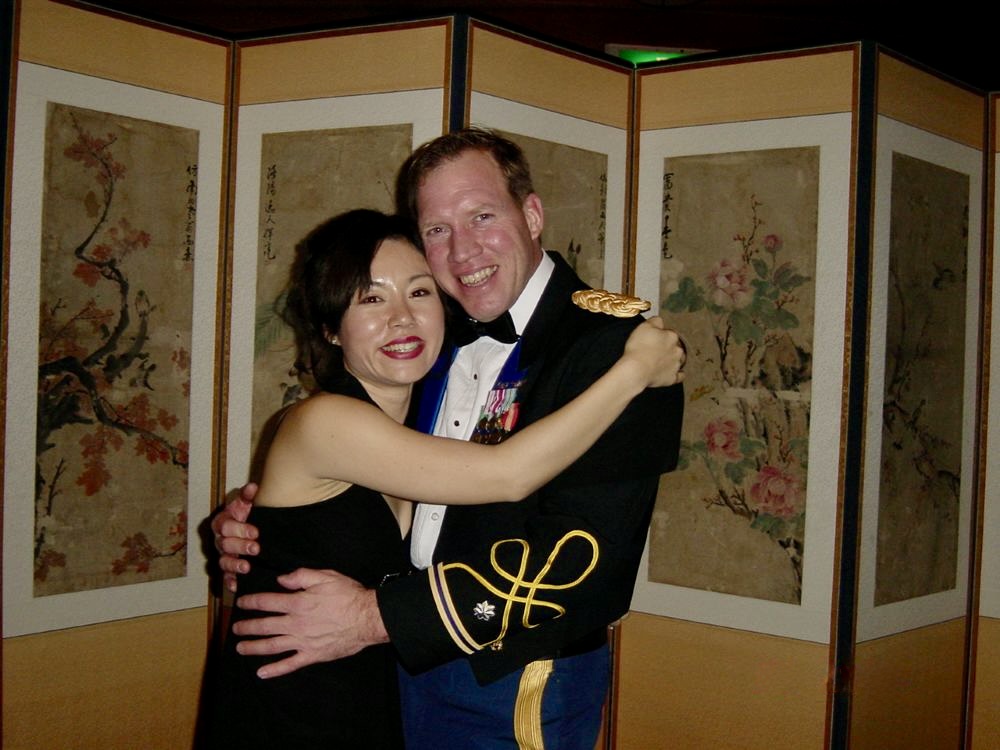
It would be days before either of them was able to get back into the building to collect his personal effects — flip phones, keys, wallets, uniforms. In the meantime, Luke recalls watching the Pentagon smolder from his hotel room. After trying for 10 days to book a seat on a commercial flight, he finally packed his bags and went to Dulles Airport, where he was lucky enough to catch a flight — only to lose his belt and shoes to the security machine amid the frenzy of making it to the gate before the plane left. It took him three days to get back to Korea.
Luke spent the next two years working in political military affairs for the Combined Forces Command and four years as a liaison officer representing the South Korean Ministry of National Defense and facilitating security cooperation and defense sales. After retiring from the Army in 2006, he joined GE Aerospace as the Northeast Asia regional director, where he provided the company with leadership and expertise on foreign government and business practices while also driving strategy, enhancing growth and productivity, and leveraging partnerships in Korea, Taiwan, Vietnam, and the Philippines. He currently works in Defense & Systems as the customer account manager for Northrop Grumman.
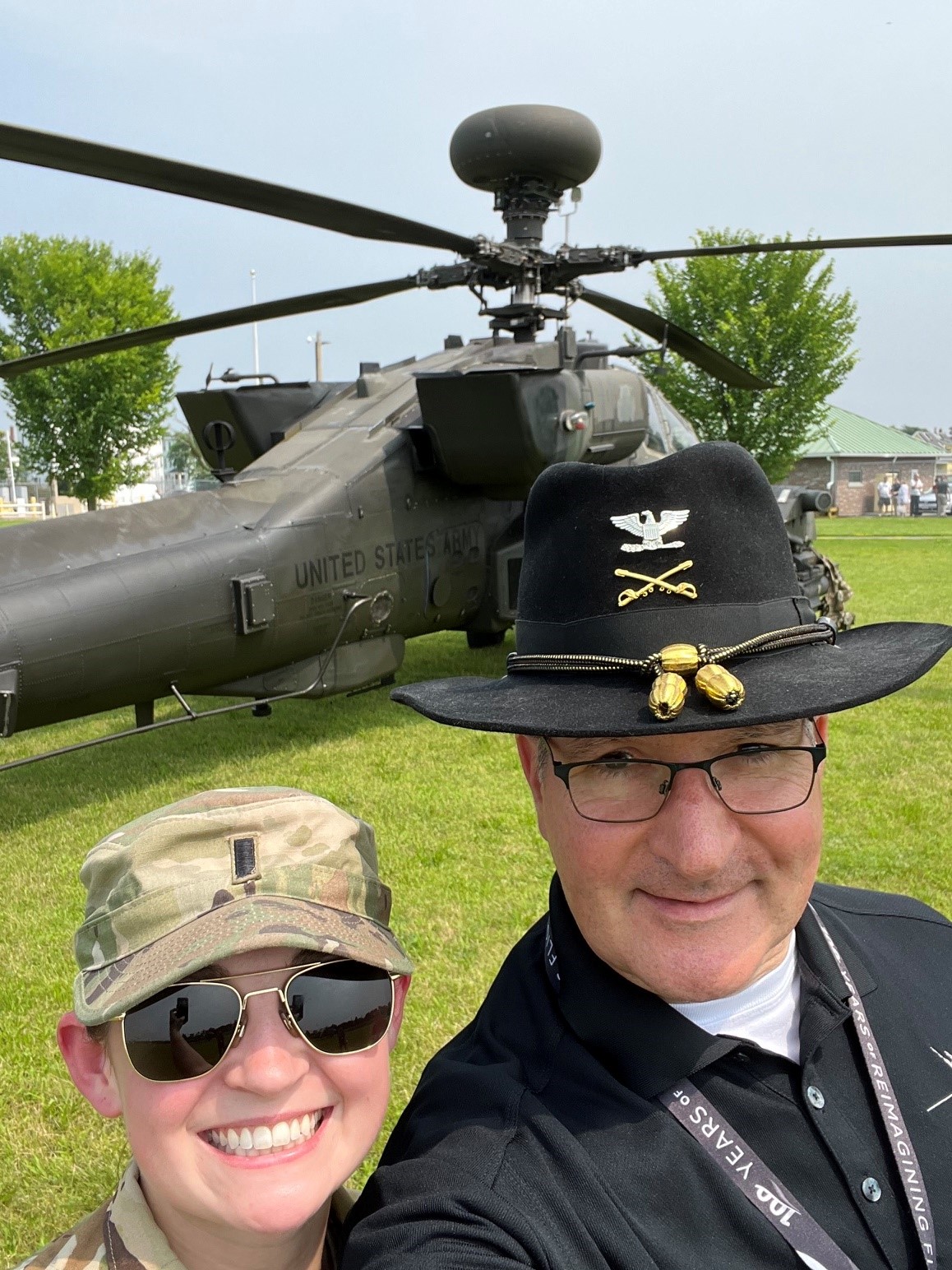
Climer finished his three-year hitch at the Pentagon and went on to fly combat missions on Black Hawks for a year in Iraq with the 3rd Infantry Division, followed by postings in Korea, England, and Alabama, before retiring in 2015. He joined GE Aerospace in 2019 and works in Defense & Systems as the customer account manager for Boeing.
Both men see a connection between their experiences on 9/11 and their life and work since then.
“Anyone that’s put into a situation where they’re in close proximity to a tragic event, it kind of alters their mind and their way of thinking,” says Luke. “I think one thing 9/11 did was create a whole new respect for the military. When I finally got back to Korea, I went to work with a sense of purpose. Every day I was trying to make it better and teach people along the way.”
“I try to remind people working in Defense & Systems that there’s a reason we do what we do, and there’s people who depend on our systems to get them home safely,” says Climer. “When I was flying Black Hawks in Iraq, GE Aerospace engines never failed me. I’m too old now to fly helicopters, but I still feel like I’m helping contribute to our national defense through this company.”
To commemorate the 25th anniversary of 9/11 and honor the service of veterans and first responders then and now, GE Aerospace is donating to the Pentagon Memorial Fund’s Visitor Education Center, Wounded Warrior Project, Tragedy Assistance Program for Survivors (TAPS), and Tunnel to Towers, as part of the company’s ongoing commitment to supporting military and veteran families. The company is also making a donation to the Gary Sinise Foundation’s Families of Fallen Heroes initiative in honor of American Airlines, and donations to the Captain Jason Dahl Scholarship Fund and the LeRoy Homer Jr. Foundation in honor of United Airlines.
See other posts
GE Aerospace is a world-leading provider of jet and turboprop engines, as well as integrated systems for commercial, military, business and general aviation aircraft.