Article
Better Together: Why Trust and Open Data are the Future of the Aerospace Supply Chain
August 5, 2026 | by GE Aerospace Staff
At a recent London executive salon co-hosted by GE Aerospace and The Economist, senior aviation leaders gathered to address a critical, shared reality: we are better together. To maintain fleet readiness amidst unprecedented parts and workforce demand, the industry must transition from isolated operations to a unified ecosystem driven by predictive AI, accelerated repair capabilities, and strategic investments in future talent.
Among attendees, the consensus was clear: solving today’s supply chain complexities requires the entire aviation ecosystem to embrace a new playbook driven by growing trust and increased data sharing throughout the manufacturing supply chain.
"For years, airlines, manufacturers and suppliers operated in silos," Farah Borges, Vice President of Maintenance, Technology & Operations explains. "But facing unprecedented service demand, more open collaboration and data sharing are increasingly being seen as both imperative and a solution to unlock key supply chain constraints."
Using Predictive Maintenance Data to Improve Upstream and Downstream Alignment
Supply chain gaps thrive on surprise. In an interconnected network, unexpected engine issues trigger a domino effect – grounding aircraft, scrambling for parts, and delaying maintenance. The antidote is radical, multi-directional transparency.
Delivering that transparency means replacing guesswork with forecasting. "The true value of artificial intelligence isn't the algorithm; it's having access to and selecting the right industry domain data to feed it," says Farah. "By capturing the physical condition of parts, we can predict maintenance needs upfront. This transforms maintenance into a predictable process, getting aircraft back in the air faster."
GE Aerospace is embracing artificial intelligence and using it to enhance our predictive maintenance capabilities. AI-assisted materials planning tools predict work needs months in advance, while innovations like the Blade Inspection Toolkit (BIT) cut engine inspection times in half. The company also recently teamed up with Waygate Technologies to bring AI-guided automation to engine inspections. These smart tools guide technicians step-by-step, removing guesswork and building a reliable digital record.
However, predicting the future internally is only half the battle. Real resilience requires sharing data upstream with suppliers to invest in capacity with confidence, and downstream with airlines to ensure fleet predictability.
Investing in Repair Capabilities
When raw materials bottlenecks slow deliveries, one workaround is to get more life out of existing parts. "We don't always need new parts to build a safe and reliable engine," explains Farah. "Every component successfully serviced and returned to the flight line represents one less part ordered from a constrained supply chain and lower cost of ownership for our customers.
To improve engine durability, safety and ensure fleet stability, GE Aerospace is industrializing repairs. Backed by a substantial global investment of over $1 billion in MRO capacity and technology – including a recent €40 million investment in the European MRO network – the company is restoring complex engine components at scale, extending asset life cycles rather than replacing them. This too relies on a continuous data loop: faster data sharing with engineering teams accelerates the design and approval of alternative repair methods.
Bringing Others on our FLIGHT DECK Journey
Of course, fixing parts faster only works if MRO operations are running efficiently. That’s where FLIGHT DECK – GE Aerospace’s proprietary lean operating model – comes in. At their facility in Wales, the team was able to improve CFM56 engine turnaround times by 20% by using FLIGHT DECK.

To build true global supply chain resilience, GE Aerospace is proactively exporting FLIGHT DECK methodologies to key partners – putting teams side-by-side with suppliers to share real-time performance metrics, standardize workflows, and collaboratively solve problems.
"Partnership means sharing the risk," Farah explains. "By committing to stabilized schedules and clear, accurate demand signals, we give our supply base the predictability they need to confidently invest in their own growth."
Developing the Next Generation of MRO Talent
Ultimately, the most critical supply chain gap in aerospace isn't a lack of parts – it’s people. And those people are the ultimate end-users of this data. Technology fails without a people-first approach, where predictive insights and smart tools are designed to remove guesswork and reduce the burden on front-line workers.
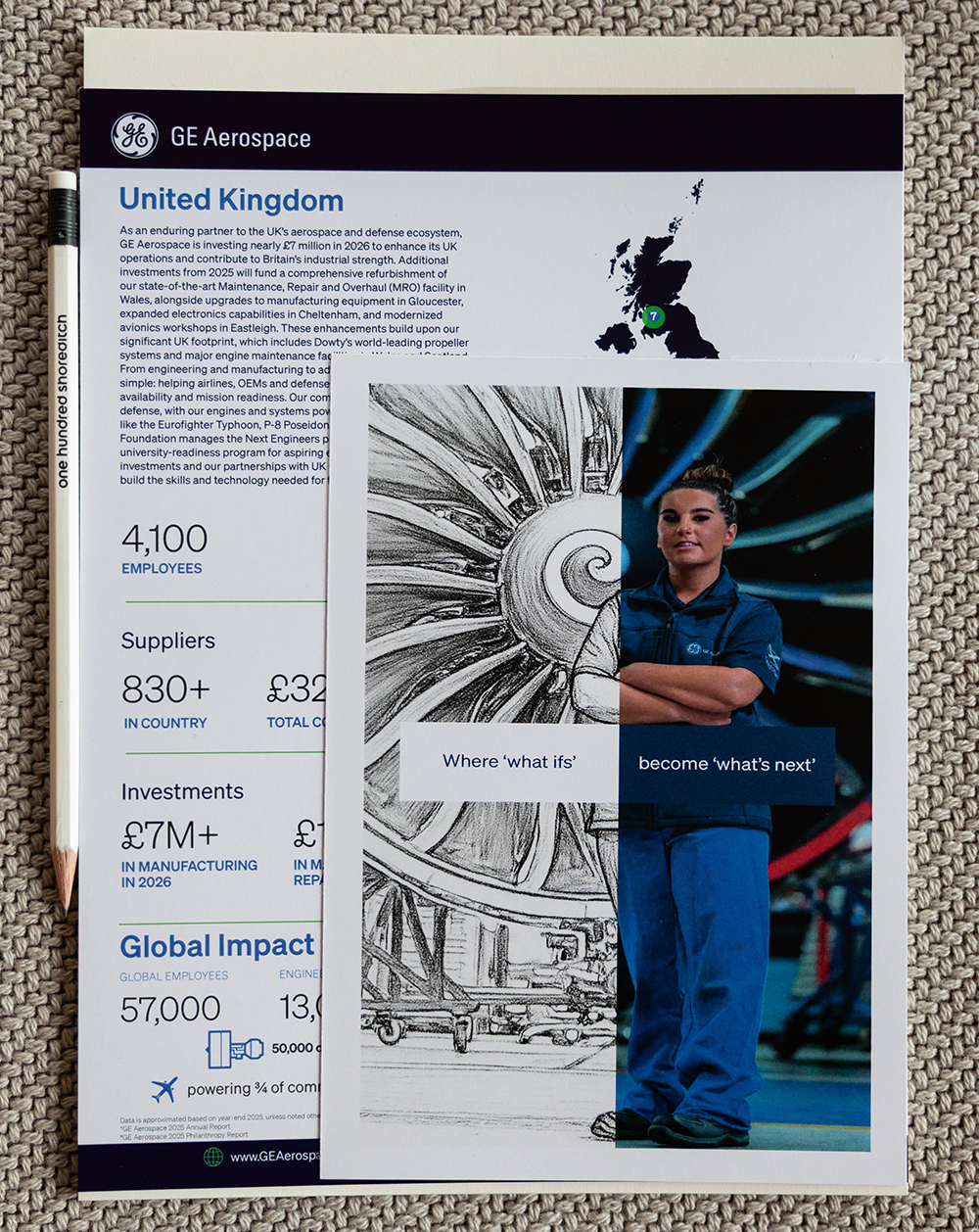
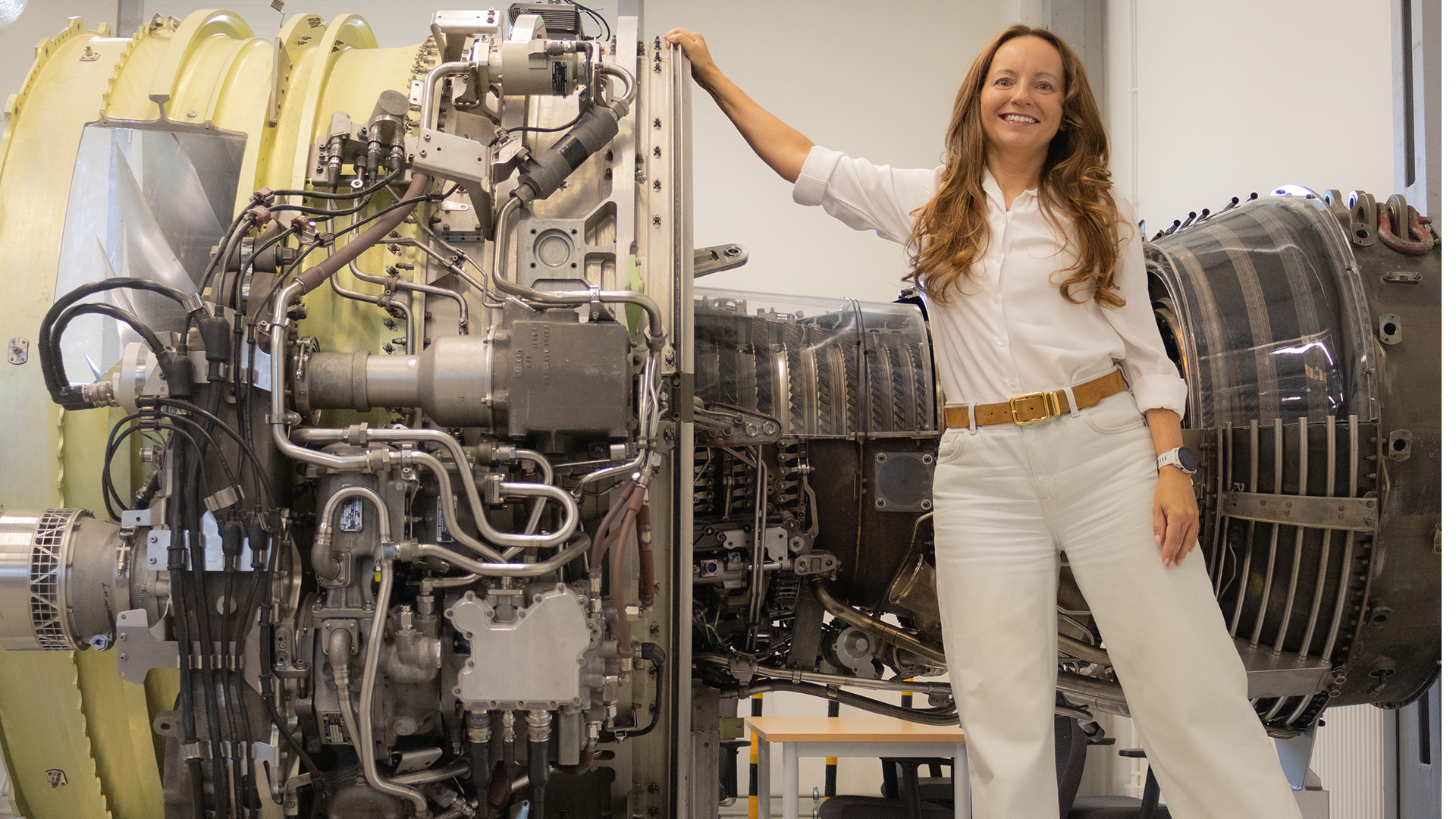
GE Aerospace are committed to growing Europe’s skilled workforce from the ground up. To help address the industry-wide technician shortage, the company provides charitable donations to institutions like Fondazione ITS Academy in Turin, Farnborough College of Technology and Ayrshire College. Through the GE Aerospace Foundation, it also funds STEM programs like the Next Engineers initiative in Warsaw, Poland to build engineering capabilities early. These investments support the wider aviation community – funding the training, modern curriculum, and high-tech equipment needed to prepare the next generation of engineers for a data-driven flight line.
But internal tools and training are only half the battle. The path to a resilient future requires the entire aviation ecosystem to embrace a new playbook – one where open, multi-directional data sharing empowers the people who keep our industry moving. The sooner we begin, the better.
See other posts
GE Aerospace is a world-leading provider of jet and turboprop engines, as well as integrated systems for commercial, military, business and general aviation aircraft.